
The Legend of Zelda: Ocarina of Time Thankfully Resists FromSoftware’s Influence
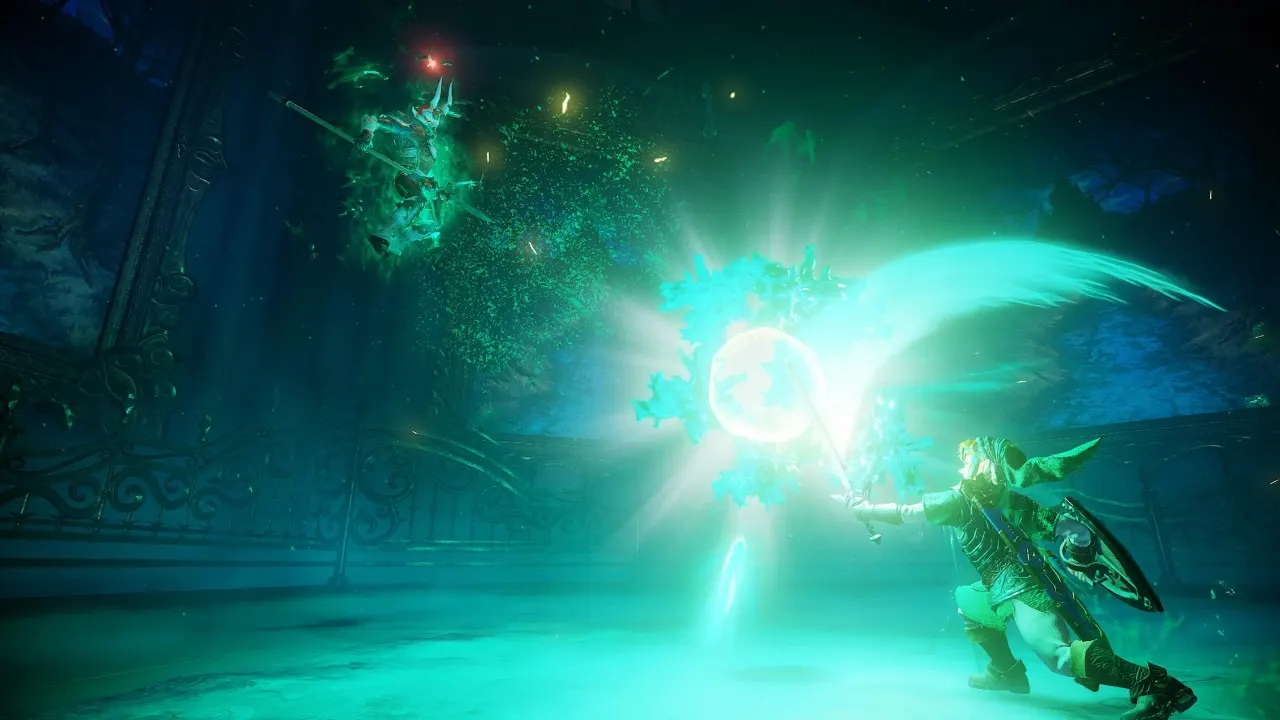
This year in video games, I’ve swung a digital sword more times than I can count. Thrilling action games like Onimusha: Way of the Sword and Phantom Blade Zero have gotten the feel of a sword fight down to a science, as steel clashes and sparks fly in spectacular fashion. But my favorite duels of the year aren’t in any of this year’s most razor-sharp action games; they’re all in The Legend of Zelda: Ocarina of Time .
This year in video games, I’ve swung a digital sword more times than I can count. Thrilling action games like Onimusha: Way of the Sword and Phantom Blade Zero have gotten the feel of a sword fight down to a science, as steel clashes and sparks fly in spectacular fashion. But my favorite duels of the year aren’t in any of this year’s most razor-sharp action games; they’re all in The Legend of Zelda: Ocarina of Time.
The Switch 2 remake builds on the combat of Link’s 1998 adventure in careful but effective fashion. The Master Sword feels more powerful than ever thanks to killer sound design and a bit of visual pizazz on impact. What the remake doesn’t do, however, is change Link’s moves to give him the most widely used trick in modern action games: the parry. There’s no deflection to be found in Ocarina of Time’s remake, and that makes a seemingly simple combat system stand out in an unexpectedly refreshing way.
Compared to many modern games, Ocarina of Time’s swordplay doesn’t require much mastery from players. Aside from a charged spin attack and a leaping slash, Link’s offensive options are limited. Lock on, swing the sword, hit the enemy, and that’s basically all you need to know. Sure, you can block attacks with your shield or use one of your items to switch it up, but you’re always going to follow the same motions to take out a Deku Baba with consistent strikes.
One of my questions heading into the remake was about how much Nintendo would modernize that approach. After all, lots of remakes and remasters these days make reworked combat a priority; just this year, we’ve seen that in projects like The Witcher 3: Wild Hunt Remastered and Assassin’s Creed Black Flag Resynced. Rather than following that wave, Nintendo chose to keep Link’s offense relatively unchanged. That can take some getting used to if you play a lot of modern action games that all seem to have some version of a parry, or at least some kind of counterattack.
The quicker you acclimate to Ocarina of Time’s throwback action, though, the quicker you’ll come to appreciate its elegance. Fights aren’t meant to be long duels against evenly-matched opponents; Link is a master of his craft and can dispatch virtually any enemy in a few hits. Precision and timing are key as you patiently wait for your opening before lunging forward with a strike. The same goes for Link’s evasive maneuvers, which allow him to sidestep and backflip away from incoming attacks. It only takes a few Stalfos encounters to learn their attacks and lock down the right dodge and attack follow-up timing to take one out quickly.
In my review, I compared that to the experience of playing Punch-Out!!. The classic NES game’s staying power comes from the fact that every fight hinges on you learning each enemy’s tells and reacting to them accordingly. Every boxing match is a dance, and you have to learn your half of it. Ocarina of Time functions the same way, pushing you to hit all your marks rather than rush through a careful fight.
There are several fights in Ocarina of Time that test your ability to follow that flow, especially the late-game Iron Knuckles who hit like a truck if you fail to dodge their attacks. The best skill check, though, comes during a clash with Dark Link in the Water Temple. It’s the one time where you find yourself up against a fighter who is as efficient and precise as you, because it is you. Patience is your greatest skill in a battle that will taunt you for swinging wildly while your shadowy foe seemingly has an answer to every mistake you make. It plays out like a theatrically staged fencing match. Once you feel that, every other fight clicks into place, too.
Though it may sound a little simple, Nintendo finds the right way to make every slash feel powerful. Every sword hit is accompanied by an impactful thwack and an explosion of colorful particles. Even slashing the weakest enemies as Young Link feels spectacular, as if your blade has busted them open like a pinata. Those small touches make every hit feel important and satisfying to execute, rather than futile hits against a sponge. I can’t say the same for something like GameFreak’s summer not-quite-a-Soulslike Beast of Reincarnation, where bosses fall to death by a thousand cuts.
It may sound strange to call a combat system rooted in 1998 design fresh, but it really is in a world where so many action games I play feel like variations on a theme. Ocarina of Time may not impress modern players who look for expression in their combat, but you won’t hear anyone labeling it a Soulslike or dubbing it “parryslop.” The battles have an unmistakable texture to them, born out of a focused design philosophy that suits an equally focused swordsman. Who needs a parry when no blade can cross you?