
The FAA is finally ditching floppy disks
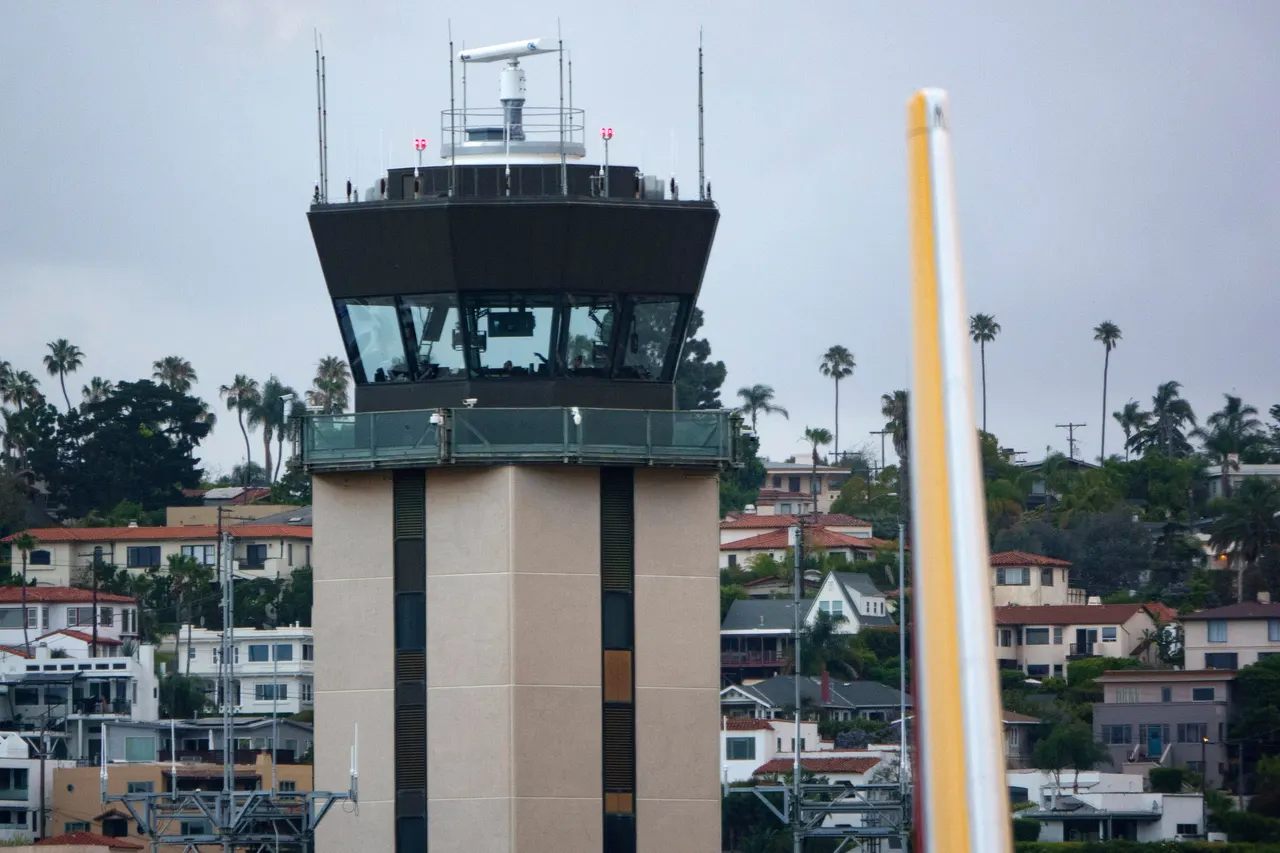
The air traffic control tower is seen San Diego International Airport on May 27th in San Diego, California. | Photo by Kevin Carter / Getty Images It's the year 2026 and the Federal Aviation Administration is still running critical pieces of American airspace on 3.5-inch magnetic floppy disks. But those technology artifacts could be headed for the dustbin after Transportation Secretary Sean Duffy announced an effort…
It’s the year 2026 and the Federal Aviation Administration is still running critical pieces of American airspace on 3.5-inch magnetic floppy disks.
The FAA is finally ditching floppy disks
Transportation Secretary Sean Duffy wants credit for dragging America’s air traffic control out of the 1980s, but retiring 3.5-inch floppies won’t fix a broken system running on overworked controllers and private-sector hype.
But those technology artifacts could be headed for the dustbin after Transportation Secretary Sean Duffy announced an effort to ditch floppy disks in favor of a new digital system.
Duffy announced Thursday that the FAA is rolling out the Enterprise – Information Display System (E-IDS) to replace four legacy setups across more than 400 air traffic control facilities. E-IDS aggregates real-time weather alerts, equipment outages, restricted airspace changes, and pilot reports onto a modern digital dashboard, replacing manual workflows and archaic physical storage media.
Upgrades have already kicked off at five sites — including control hubs in Atlantic City, Nashville, Rochester, Atlanta, and Salt Lake City — with a targeted rollout across 435 facilities by the end of 2028.
“Good news America: floppy disks are out, 21st century tech is in,” Duffy said in a release.
Duffy, a former reality TV star and Fox Business host, has been using floppy disks as a scapegoat for the air travel disruptions that have plagued the country for years now. He waves them around during speeches or TV interviews, while highlighting that the FAA still uses “copper wires and floppy disks” as a symbol of government obsolescence.
Indeed, our air traffic control system is deeply out of date, especially when held up alongside the more modern approaches of other nations. A Government Accountability Office report from September 2024 found that 90 percent of the nation’s critical air traffic control infrastructure was due or past due for a “technology refresh.” Nearly half of the 138 systems surveyed were “considered unsustainable” or “potentially unsustainable” due to shortfalls in funding, insufficient maintenance expertise, or even a lack of spare parts.
But E-IDS is not an overnight breakthrough cooked up in a single executive sprint; it’s an existing FAA contract that has spent years working through procurement, safety validation, testing, and vendor timelines. The initial contract for E-IDS was awarded to Leidos, a defense contractor headquartered in Reston, Virginia, by the FAA back in August 2020, during the first Trump administration.
The scope of the problem was understood, even back then. But since then, it has gotten much worse. The FAA has faced backlash in recent years over ground stops, close calls on runways (including one involving President Donald Trump), chronic burnout among air traffic controllers, and high-profile software meltdowns, like the 2023 NOTAM outage. Duffy is clearly trying the frame the system’s problems around relics like the floppy disk, as if obsolete tech is the only reason for the disruptions.
But as we’ve noted before, it’s a much bigger problem than just the systems themselves. Replacing an information system with digital panels is relatively low-hanging fruit compared to the systemic crises plaguing American aviation, such as a crippling deficit of thousands of certified professional controllers. Duffy has been lobbying Congress for an additional $30 billion, on top of the $12.5 billion “down payment” he got in 2025, for his ATC modernization plan.
Under Duffy, the USDOT has made a big deal about recruiting gamers, specifically, to take on these roles. And the administration is also relying on its tech oligarch allies, including Elon Musk and Peter Thiel, to help them clean up the mess — even if they happen to make it worse in the process.