
Pentagon mulls placing fleet of military satellites around the Moon
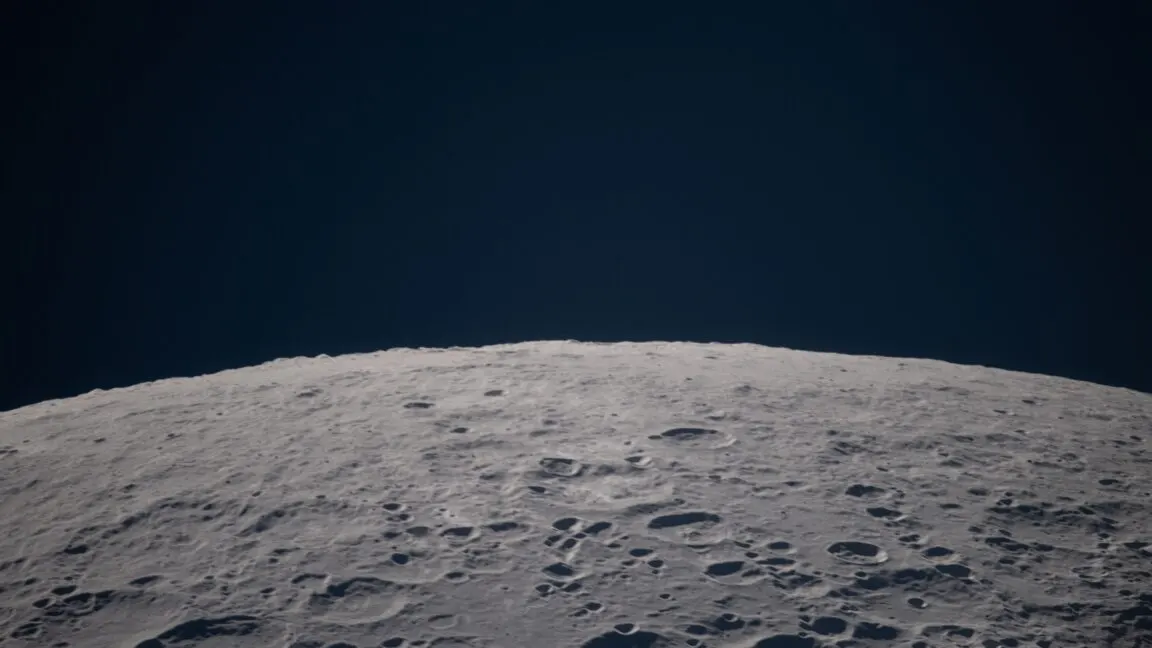
The US military has published a Request for Information on a federal procurement website signaling interest in deploying a "proliferated cislunar constellation" consisting of an unspecified number of satellites performing an undisclosed mission in the vicinity of the Moon. The announcement follows statements in recent months from the Space Force's acquisitions chief for advanced programs, Maj. Gen. Stephen Purdy…
The US military has published a Request for Information on a federal procurement website signaling interest in deploying a “proliferated cislunar constellation” consisting of an unspecified number of satellites performing an undisclosed mission in the vicinity of the Moon.
The announcement follows statements in recent months from the Space Force’s acquisitions chief for advanced programs, Maj. Gen. Stephen Purdy, that the military was getting serious about extending its reach to the Moon. The Space Force’s most distant satellites today are in geostationary orbit, some 22,000 miles (36,000 kilometers) over the equator, collecting routine surveillance and missile warning data.
Most recently, Purdy spoke of a shift in Pentagon leadership’s thinking about the Moon following an executive order signed by President Donald Trump last December. The order set out the Trump administration’s space policy. One section of the order deals with the US government’s ability to detect, characterize, and counter threats to US space interests from low-Earth orbit to cislunar space, the term of art for the region of space around the Moon.
Fighting for the Moon
“I’ve got the Secretary of War and the Chairman of the Joint Chiefs full on stating in public: ‘This is a warfighting domain,’” Purdy said at Space Systems Command’s Industry Days event in October, according to a report in Air & Space Forces Magazine. “And so, I would ask you all, please jump on my cislunar bandwagon because I need some more friends here, along with our deep, passionate crew that have been working on this for years.”
Officials have emphasized the military’s role at the Moon is to protect US interests there as the United States and China ramp up their lunar programs, with a series of robotic missions culminating in crewed lunar landings in the next few years. Some US officials foresee a competition for real estate and resources at the Moon, where there are a finite number of safe landing zones that can access the Moon’s water ice at the south pole.