
New Bluetooth High Data Throughput may finally satisfy audiophiles
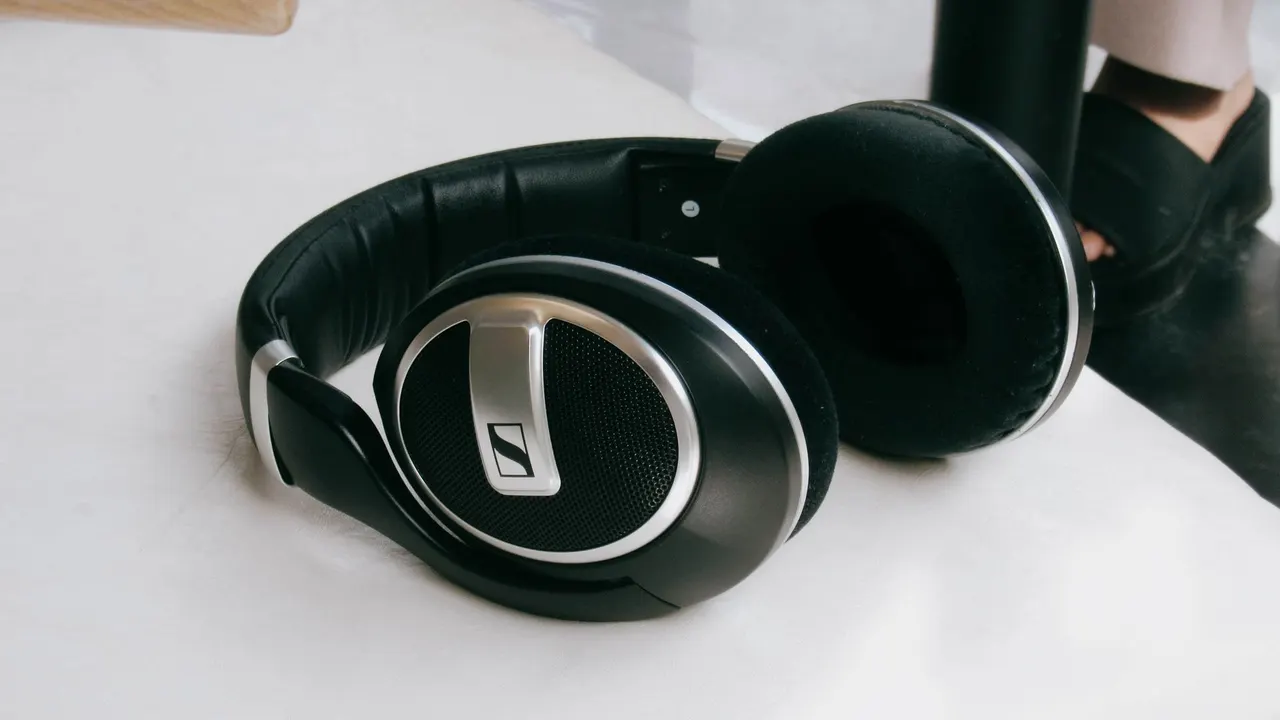
The Bluetooth Special Interest Group (SIG) just announced the new Bluetooth High Data Throughput (HDT) feature on November 4, allowing a maximum bandwidth of 7.5 Mbps, almost 4x that of the previous Bluetooth LE 2M (2 Mbps). The new bandwidth is intended for high-bandwidth interactions between devices, such as AI, spatial computing, and even lossless audio transmission; the latter of which may finally satisfy…
New Bluetooth High Data Throughput may finally satisfy audiophiles — Bluetooth HDT offers a maximum bandwidth of 7.5Mbps, allowing true lossless transmission
Audiophiles have always criticised Bluetooth, but HDT might finally be the convenient wireless experience they've needed.
The Bluetooth Special Interest Group (SIG) just announced the new Bluetooth High Data Throughput (HDT) feature on November 4, allowing a maximum bandwidth of 7.5 Mbps, almost 4x that of the previous Bluetooth LE 2M (2 Mbps). The new bandwidth is intended for high-bandwidth interactions between devices, such as AI, spatial computing, and even lossless audio transmission; the latter of which may finally satisfy audiophiles and their enjoyment of uncompressed audio.
Bluetooth HDT is Bluetooth’s new feature allowing for up to 7.5 Mbps of bandwidth. This new feature is needed by sophisticated modern devices that use a lot of data in their communication. It could be smartwatches, AI, or even extended reality (XR); less sophisticated but high-bandwidth, however, is lossless audio, which Bluetooth has never had enough bandwidth for, until HDT, that is.
Purists have long since criticized Bluetooth, but HDT may finally be the feature that satisfies them. Audiophiles have always preferred wired over Bluetooth, especially those who prefer lossless audio over compressed formats. Bluetooth LE 2M, even with its 2 Mbps bandwidth, cannot reliably transmit CD-quality 1.4 Mbps lossless audio, so it gets compressed through various means: SBC, AAC, aptX, LDAC, LC3, etc., and for audiophiles who want to listen to their lossless audio, compression is a downgrade to their experience, even if they likely can’t tell the difference between lossless and a high-quality 320kbps MP3 file.
However, HDT not only offers higher bandwidth but also improved reliability for consistent communication and uses even less power, as stated on Bluetooth’s feature enhancements page, which adds that HDT provides the capacity, efficiency, and wireless performance needed for high-resolution and lossless audio. As mentioned, CD lossless quality hovers around 0.8-1.4Mbps, while 24-bit 48 kHz is around 2.3 Mbps, and 24-bit 96 kHz is 4.6 Mbps, well under the maximum 7.5 Mbps bandwidth; only 24-bit 192 kHz exceeds it at 9.2 Mbps — but who is really able to tell the difference at that sampling rate?
It is worth noting that just because a device complies with the Bluetooth Core Specification 7.0, it doesn't mean that it automatically has the HDT feature, much less the maximum 7.5 Mbps feature. On page 2795 of the Core_v7.0 document (yes, I dug that far), it says that HDT2, HDT3, and HDT4 are required if HDT is featured, but HDT6 and HDT7.5 are optional. And it should be further noted that just because an audio device supports even the highest HDT7.5, it won’t immediately equate to a good experience, as tuning is also a big factor. With that said, HDT might make it possible for high-end wired audiophile favorites to get a wireless version.
Follow Tom's Hardware on Google News, or add us as a preferred source, to get our latest news, analysis, & reviews in your feeds.
Get Tom's Hardware's best news and in-depth reviews, straight to your inbox.
Jhet Borja is a serial hobbyist who was taking apart toys from childhood and sketching inventions. He now loves doing DIY projects ranging from designing custom 3D-printed parts, building PCs and keyboards, all the way to woodworking. If he's not getting his hands dirty, he's probably brainstorming his next project.