
What’s next for US energy policy after the midterm elections?
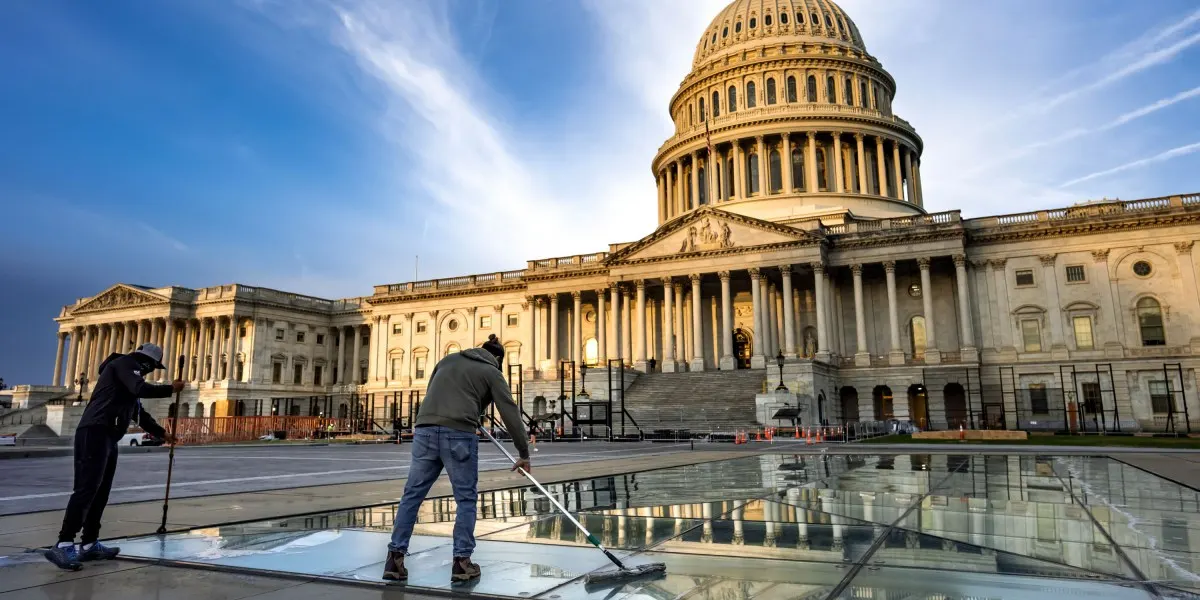
I’ve been locked in to my various screens since results from midterm elections started to roll in last night. And it didn’t take long to see the beginning of the blue wave: Democrats took control of both the US House of Representatives and the Senate, a dramatic swing from Donald Trump’s victory two years ago. While the results are striking, we probably won’t be seeing some of the big climate and energy policy…
What’s next for US energy policy after the midterm elections?
Don’t expect huge reversals right away, but we could see more support for renewables.
I’ve been locked in to my various screens since results from midterm elections started to roll in last night. And it didn’t take long to see the beginning of the blue wave: Democrats took control of both the US House of Representatives and the Senate, a dramatic swing from Donald Trump’s victory two years ago.
While the results are striking, we probably won’t be seeing some of the big climate and energy policy shifts that have come in recent years as Congress and the presidency have changed hands. Instead, we’re entering a period of divided government, with a Congress that will likely do battle with Trump’s White House over the next two years. But even if the federal government isn’t likely to pass laws that overhaul energy and climate policy, the midterm results could be a big deal for energy, especially at the state and local level.
Let’s step back for just a moment to put these results in context. Readers might remember huge laws affecting climate and energy that were passed in just the last four years. The 2022 Inflation Reduction Act included massive support for clean energy, including tax credits and government grants and loans.Then the 2025 One Big Beautiful Bill Act essentially slashed much of the support and financial incentives in the IRA from two years before.
What those two laws had in common was a period when the government was entirely united, with the Senate, House of Representatives, and presidency all controlled by the same party—the Democrats in the first case and the Republicans in the second
Now Democrats have captured a majority in both the Senate and the House. But Donald Trump is still in the White House. And crucially, neither chamber is anywhere close to a two-thirds Democratic majority. That’s the ratio that would be needed to override a presidential veto.
So even if Congress puts together new legislation to boost climate measures and clean energy, Trump will need to sign it—and that dramatically narrows the scope of what might happen legislatively between now and the next election.
There could be some bipartisan compromises. One interesting bit of legislation to watch immediately after the election is what happens with permitting reform. In late September, a bipartisan group of senators put forward a bill that would overhaul how new energy projects are reviewed and approved in the US. The law aims to cut red tape and speed up the permitting process.
The Senate is set to vote on that package, called the Bipartisan American Affordability and Jobs Act, on November 9, before the new Congress takes control in January. The White House has supported the bill, and it could pass the Senate if just a handful of Democrats join the Republican majority. But now, we might see Democrats wait until next year to try to renegotiate a deal, though anything would still need to pass muster with Trump.
With Democratic control of Congress, we’ll likely see much more scrutiny of Trump and agencies controlled by his appointees. Democratic leaders have already signaled plans to go after leaders like EPA commissioner Lee Zeldin over cuts to staff and investments. Democrats will have the power to subpoena cabinet members and open investigations.
Looking beyond the national results, a major trend to watch moving forward will be local action. Democrats swept local control of Pennsylvania, and officials there have signaled plans to support renewable energy and efforts to cut greenhouse-gas emissions. Democrats also took control of the Georgia Public Service Commission for the first time in 30 years. The group regulates electric utilities, essentially controlling much of the grid’s buildout.
Among the broadest effects of these election results, though, will be for the data center industry. According to tracking from Ballotpedia, there were 41 local ballot questions related to data centers. And overwhelmingly, voters chose to restrict their development. Nearly every single one of these measures looks set to come down against data center development, as of the morning of November 4.
And AI critics fared well in their races, too. Democrat Gina Hinojosa won the governor’s seat in Texas, ousting Republican incumbent Greg Abbott. During her campaign, Hinojosa called for a law to completely pause data center development; if passed, it could have major implications for both the state’s grid and the data center industry more broadly.
We might not see dramatic new climate- or energy-related federal legislation between now and the next major US election. But many voters signaled, and quite loudly, that they wanted a change. We’ll see how much will shift in the next two years, and where that leaves us.
This article is from The Spark, MIT Technology Review’s weekly climate newsletter. To receive it in your inbox every Wednesday, sign up here.
Deep Dive
Climate change and energy
Batteries just broke another record in the US
Huge grid-scale batteries are thriving, but smaller residential systems have lagged.
Inside the quest to combat Arctic fires and save the planet’s frozen carbon
These scientists hope that fire-spotting satellites, AI tools and ancient land practices could preserve the world’s vulnerable permafrost—and the vast carbon it stores.
How solid-state transformers could help power the AI boom
New technology could help cut power losses and reinvent a staple of the grid.
Stay connected
Get the latest updates from
MIT Technology Review
Discover special offers, top stories, upcoming events, and more.