
The reason why some iPhone calls don't have a decline option, and others do
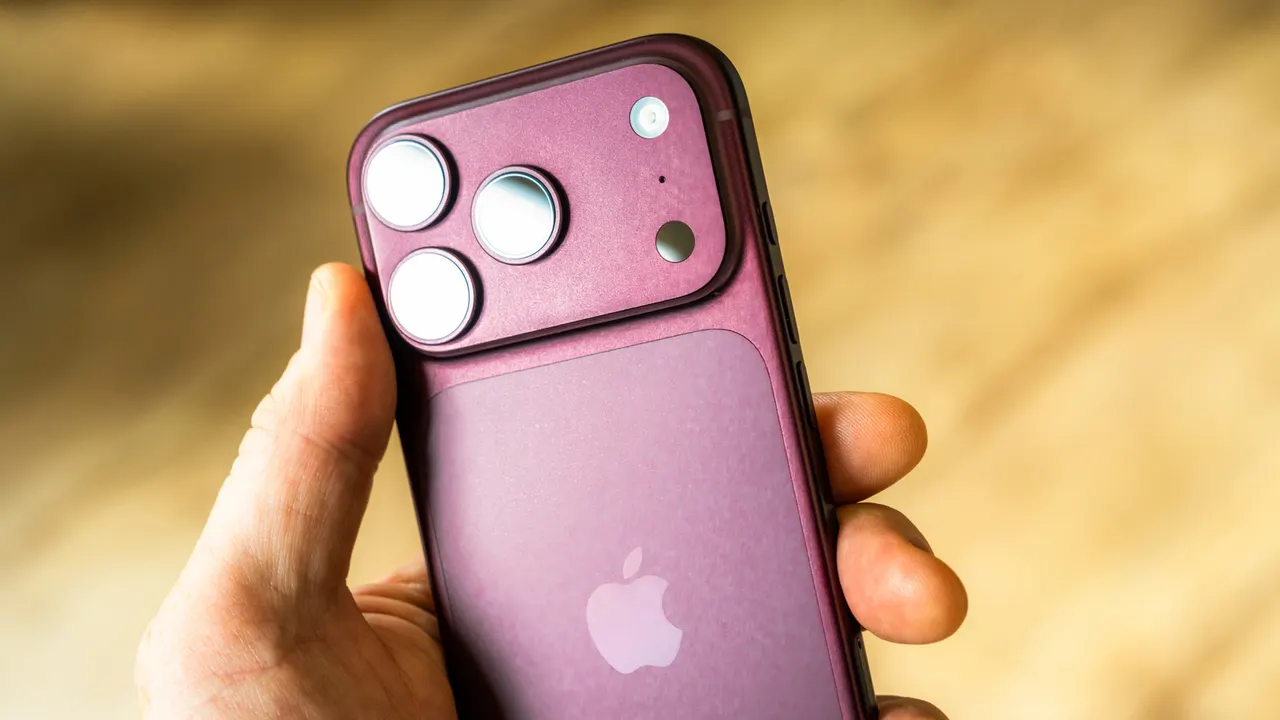
Sometimes your iPhone lets you decline a call and sometimes it doesn't. Here's why that happens, and a few easy ways to handle the calls you'd rather skip.
The reason why some iPhone calls don't have a decline option, and others do
Your iPhone's incoming call screen isn't as mysterious as it seems.
At some point, everyone's been burned by their iPhone going off in the worst possible place. When you see there's no option to decline the call, it's a mad scramble to press every side button or sling the phone through a wall at the speed of sound. But you've seen the on-screen option to decline calls before, so what gives? Fair warning: it's a really simple, forehead-slapping answer. When your iPhone is locked, incoming calls display the "slide to answer" control. When your iPhone is unlocked, you get the option to answer or decline the call.
Depending on your Incoming Calls setting, Accept and Decline buttons appear in a compact banner or across the entire screen, but both options remain. No, you didn't disable anything by accident. This is simply how the iPhone operates by default, right out of the box. On the bright side, it's not set in stone; you can make adjustments via Settings.
You don't need an on-screen button to decline or silence a call, however. You can press the side button twice quickly to decline and send the caller straight to voicemail. Or, you can press either volume button to silence the ring without declining the call. You can do this whether the iPhone screen is locked or not.
How to respond to an iPhone call without answering it
The person calling will probably know their call was just rejected if you hit the side button twice the moment your iPhone starts ringing. The practical effect is pretty obvious. Fortunately, rejecting a phone call doesn't have to come off as rude, because you can let the caller know why you rejected it. An iPhone's incoming call interface includes a Message option that lets you send a text instead of answering. There are a few useful prepared options, as well as a custom alternative if you prefer.
If the incoming call pops up as a banner while you're busy, tap the banner to reveal more options, then select Message. Go with a prepared reply or quickly fire off a text by choosing Custom. Now you can provide some context to the caller and explain why they're being sent straight to voicemail.
You can also change the prepared replies well in advance. Open Settings > Apps > Phone > Respond with Text, then select a response and edit it accordingly. For instance, "I'm working right now" and "Please text me; I'm busy" both speak volumes in a few short words. It's a nifty little feature and only takes a few minutes to set up.
How to reject unwanted calls on an iPhone
Despite the 1991 Telephone Consumer Protection Act, telemarketers, spam and robocalls are something we all deal with on a regular basis. According to the Federal Trade Commission, there were more than 2.6 million Do Not Call complaints in fiscal year 2025. Some callers are more persistent than others, and even if you block one number, they'll call back from another slightly different number. But it's worth the effort to block them all. Find the number you just rejected in Recents, tap it (or the Info button in Classic view), scroll to the bottom of the screen, select Block Caller and confirm.
You can use a broader setting to screen unknown callers as well. Go to Settings > Apps > Phone > Screen Unknown Callers (iOS 26 and later). From here, you can select Never, Ask Reason for Calling or Silence. Consider the middle option, just in case the unknown number is someone you know and the call is important.
But if you choose Silence, every unknown call will go straight to voicemail without ringing. Just remember that life comes at you fast, and that unknown number may be someone you recently met or someone who lost their phone and really needs to contact you. Convenience always comes with a caveat or two.