
Samsung’s new SmartTag 3 debuts with next-gen Bluetooth – and one big problem
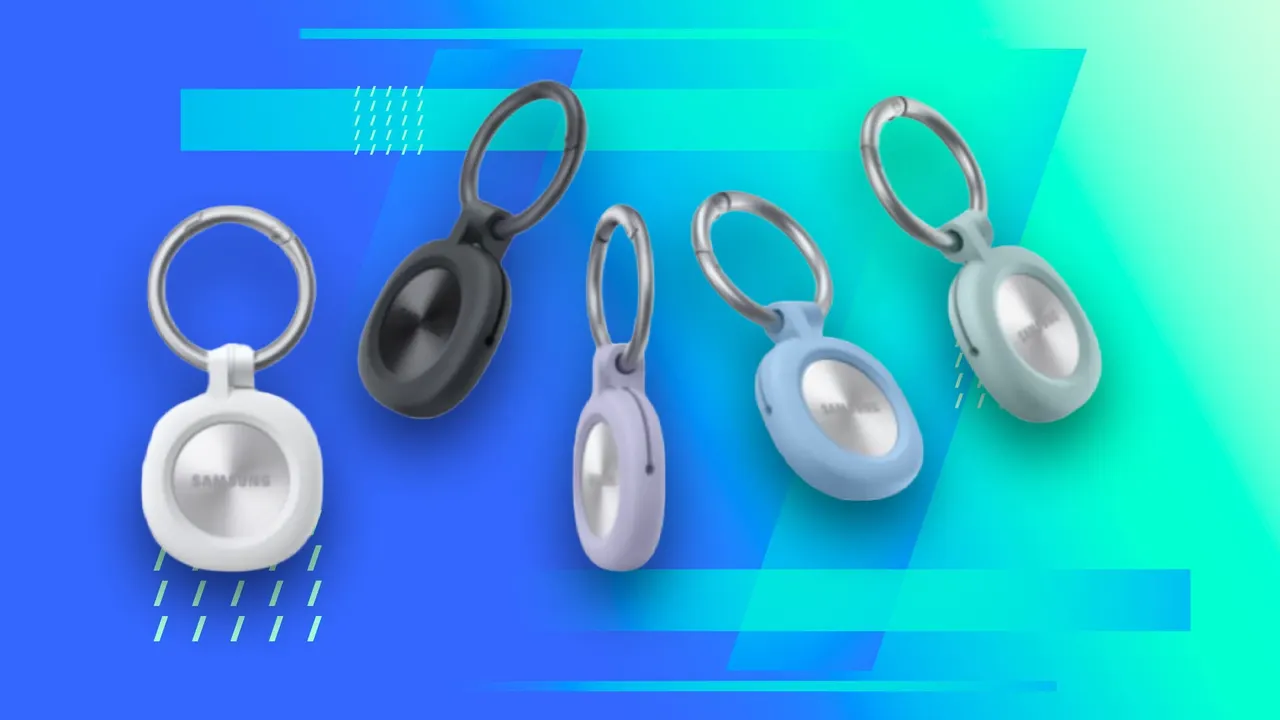
The Galaxy SmartTag 3 supports emerging Bluetooth tracking tech, but it’s not a match for Samsung’s OS exclusivity.
Samsung’s Galaxy SmartTag 3 is now available for purchase in the US, promising a smaller, lighter design than previous generations, compatibility with iOS devices, 550 days of battery life, an NFC-powered Lost Mode, Left Behind Alerts, and an IP67 dust- and water-resistant rating.
Though the Galaxy SmartTag 3 is compatible with iOS devices, the features available to Apple fans are limited, with Ring Phone, Left Behind Alerts, and Compass View reserved for Galaxy users. Compass View is enabled by Bluetooth Channel Sounding, an upgraded Bluetooth distance-finding technology. Despite Samsung embracing a low-cost boost to device tracking, Channel Sounding is locked inside the Galaxy ecosystem, a blow to the technology’s intended purpose.
Also: 3 ways Bluetooth 7 upgrades your devices beyond lossless audio
More from ZDNET
Samsung has an ecosystem advantage
Samsung is the Goldilocks of device ecosystems. It’s not considered a walled garden like Apple, but it’s not as open to full third-party interoperability as Google. Many of Samsung’s most useful features are reserved for use within its Galaxy ecosystem. However, Samsung’s OS is built on top of Android, allowing for more flexibility than iOS, but still offering OS-exclusive features and, more importantly, feature reliability.
Full access to Samsung’s Galaxy Find Network is exclusive to Galaxy devices, similar to how full access to Apple’s Find My tracking features is reserved for Apple devices. On the other hand, Google’s Find Hub can accommodate Android phones from several manufacturers, including Samsung.
Also: Android is getting my favorite iOS tracking feature – what to expect
According to a press release, nearly 900 million Galaxy devices exist on the Galaxy Find Network. Each one’s constant Bluetooth signals contribute to an expansive network of crowdsourced data, extending the Galaxy FindTag 3’s reach and surfacing location data faster.
Google’s Find Hub’s greatest benefit is its scale: it can work with headphones, earbuds, Bluetooth trackers, smartphones, and smartwatches from multiple manufacturers.
However, different ecosystems limit tracking features to basic functionality, showing only where a device was last seen before it was powered off, or emitting a chime if you lose it. Live location data and accurate direction and distance finding from your smartphone aren’t possible.
Also: Apple has a Bluetooth problem, and Android is taking advantage
Implementing Bluetooth Channel Sounding aims to break down ecosystem-specific barriers, especially in a device-tracking context. If your smartphone, headphones, and smartwatch all support Channel Sounding, you could access fine-ranging tracking on all of them, regardless of device manufacturer.
Samsung’s ecosystem is defeating the purpose
Despite Samsung’s ecosystem providing it a device-tracking advantage, it defeats the purpose of Bluetooth: democratization. Basic Bluetooth connectivity allows any Bluetooth-compatible device to connect to another; that’s why you can wirelessly pair a pair of AirPods with a Lenovo laptop.
Also: Google’s Pixel Tag tracker has a big advantage over AirTags
Channel Sounding’s goal is no different in that it aims to bring more accurate distance awareness to Bluetooth-enabled devices, allowing you to finely track a pair of Sony headphones with an iPhone — that’s the goal, but not yet reality.
Samsung instead adopted Channel Sounding for its first consumer-ready endpoint within the boundaries of its ecosystem. Only Galaxy Z Fold 8 Ultra, Galaxy Z Fold 8, Galaxy S26 Ultra, and Galaxy S26 Plus users can unlock the Galaxy SmartTag 3’s Channel Sounding capabilities when engaging its Compass View feature.
Also: Beware of Bluetooth sniffers: How your favorite gadgets could be exposing your data
All of these phones support Bluetooth 6.0 and Channel Sounding, but the Galaxy SmartTag 3’s Channel Sounding abilities will only be available to them and future Galaxy phones with Channel Sounding.
Conversely, Google’s Pixel Tag offers Channel Sounding to all Android phones that support it, including Galaxy phones. The result is that the Galaxy SmartTag 3 will operate just like any other Bluetooth tracker when paired with a base-model flagship phone, an older Galaxy phone, or an iPhone.
Apple will likely follow Samsung’s lead
During this year’s WWDC, Apple announced Channel Sounding support for iPhones with its N1 networking chip and third-party Bluetooth 6.3 devices. Bluetooth 6.3 devices aren’t on the market yet and won’t be for a few years.
I assume Apple’s announcement of faraway future support is to give itself time to decide how Channel Sounding will fit into its walled garden, similar to Samsung’s implementation in the Galaxy SmartTag 3.
Also: How to tell if a hidden AirTag is tracking you – and disable it ASAP
Sure, Google’s Find Hub still needs some maturing; just last year, Google boosted the opt-in opportunities to add more devices for crowdsourced data, Find People is coming to Wear OS, and Find Hub is getting “Notify when left behind” alerts soon.
Apple’s and Samsung’s device location networks may be more feature-rich thanks to their closed ecosystems, but Google is working toward a truly open, easy-to-use network of devices powered by Channel Sounding. Which one is more important to you is for you to decide when it’s time to make a purchase.