
Playing Ocarina of Time for the First Time in 2026 Feels Like Living a Fairy Tale
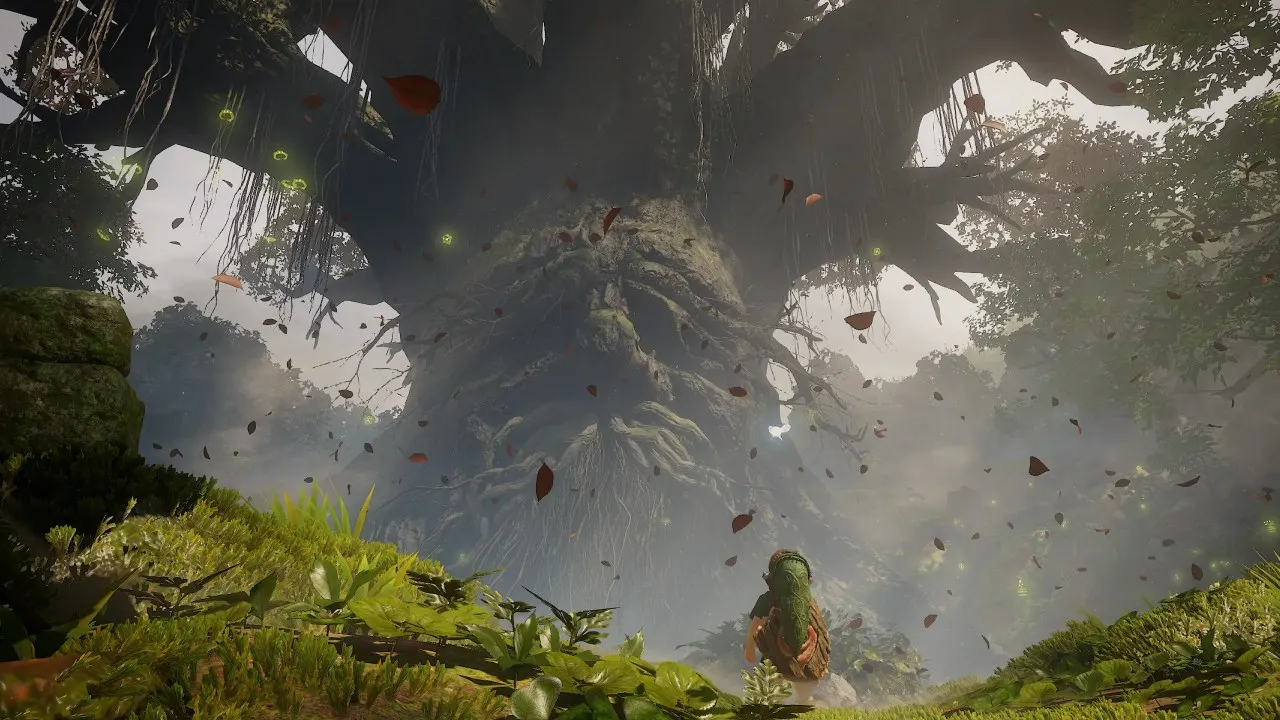
It shouldn’t be possible to feel nostalgic for a memory that isn’t yours. But playing Nintendo ’s remake of The Legend of Zelda: The Ocarina of Time for the first time in 2026 feels like remembering a long-forgotten childhood adventure. Though I’ve only spent a few hours with the game so far, I’m besotted with its chipper cast of storybook oddballs, refreshingly unfussy combat, and compact open world.
It shouldn’t be possible to feel nostalgic for a memory that isn’t yours. But playing Nintendo’s remake of The Legend of Zelda: The Ocarina of Time for the first time in 2026 feels like remembering a long-forgotten childhood adventure. Though I’ve only spent a few hours with the game so far, I’m besotted with its chipper cast of storybook oddballs, refreshingly unfussy combat, and compact open world.
While I’m not a total Zelda neophyte, the series is a major blind spot for me. (As a child, I had zero patience for both block puzzles and games with archery as a central mechanic. Frankly, I still don’t love either of these things, but I’ve learned to tolerate them.) After several false starts over the years, 2023’s Tears of the Kingdom was the first Zelda game to really sink its teeth into me. Having bounced off Breath of the Wild, I appreciated that the Ascend ability promised to bypass all those painstaking, breathy climbs up sheer cliff faces. But it was doing the questlines in Hateno and Lurelin villages — and watching those towns meaningfully change as a result — that truly got me. After Tears of the Kingdom, I went back to Breath of the Wild, and then all the way back to the SNES-era A Link to the Past. And I loved all three. But that’s where my Zelda experience ended.
Until now, anyway. I start a new game in Ocarina of Time and am greeted with a barrage of ‘90s nostalgia to accompany its intricate 2026 visuals: a sleepy-head protagonist, a wise sentient tree, daunting village youths who fade into the background after 20 minutes. I’ll admit to being an early hater of the remake’s much-discussed visual makeover. I’ll also admit to backpedaling on that stance after all of half an hour. This game is freakin’ adorable: the Kokiri Village kids with their bangs like Janice from The Muppets, the old-man eyebrow branches of the Great Deku Tree, the impossibly velveteen face of Epona as she nuzzles Link for the first time, the braided, cable-knit dreadlocks of Richard the white terrier in Hyrule Castle Town. I love them all.
Allegedly, Young Link is supposed to be somewhere around nine years old, but to me he looks like someone you ask if they “need to go potty” before they leave the house. Yet it adds to the sense of childlike wonder Nintendo has crafted in this world, and the sun-dappled joy of hiding behind bushes and scampering through flowerbeds to reach Zelda’s courtyard in Hyrule Castle helped me to better understand why this game has been so loved for so long.
The original Ocarina of Time for the Nintendo 64 was the first video game to feature lock-on 3D combat. That stuff is all very intuitive and familiar to players now, but back in 1998, it was unprecedented. Thankfully, the 2026 remake resists the impulse to “modernize” the combat system by adding a bunch of complications, like perfect dodges and parries. Link’s defensive toolkit consists of holding up his shield, jumping to the side, backflipping, and running away. It’s simple, fun, and approachable, which makes a lot of sense when your protagonist looks like he’s mere months out of diapers.
Ocarina of Time’s delightfully bite-sized open world also struck me as a breath of fresh air in my first few hours with the game. Despite the sumptuous attention to detail, the DNA of the Nintendo 64 era’s jungle-gym environmental design is very much in evidence here. Every body of water is somehow an invitation to splash around for a few moments, in a way it could never be in A Link to the Past, or is simply taken for granted when playing Breath of the Wild. Though I never played the N64 Ocarina, the Switch 2 version immediately catapulted me back to all the time I spent poking around the exterior of Peach’s Castle in Super Mario 64, hopping into the moat and peering under footbridges, lest some small treasure be hidden there.
And, I have to say, it is so, so nice to toddle across Hyrule Field, swiping my sword here and there, and not have three dozen sparkle-points vying for my attention. There’s no expectation to collect 45 Blunderlillies or hunt down one of 67 types of mushrooms for a specific recipe. Each time I slash a bush to find a single rupee — or nothing at all — I breathe a little sigh of relief. It’s not that I necessarily dislike crafting mechanics, but I don’t think I’m alone in feeling like they’ve become a bit overused in recent open-world games.
Nintendo has a knack for making games that feel as familiar as an overloved childhood plushie, while being totally approachable to newcomers. A lot of that is down to its bare-bones, almost mythological approach to storytelling. The Zora are always strong swimmers, the Gorons are always so very hungry, there’s always a boy in green with a sword. You know exactly where you are, even if you’ve technically never been there before.
Is Ocarina the best game ever, as many players and critics ardently argue? I’m not there yet, though perhaps I’ll be persuaded after a few more hours. But it’s certainly an exceptional one.