
Nvidia wants to repurpose over 130 old telco buildings as tiny data centers, report claims
Internet and telecommunications provider Brightspeed is reportedly in talks with Nvidia to convert several of its buildings into tiny data centers. According to The Information , Nvidia pitched the idea to Apollo Global Management executives, the parent company of Brightspeed, who then asked it to submit written plans to the internet provider. Nvidia complied and has now requested additional information, data, and…
Nvidia wants to repurpose over 130 old telco buildings as tiny data centers, report claims — company in talks with Brightspeed after pitching idea to parent company Apollo Global Management
Is it faster to repurpose multiple small sites than to build one massive data center?
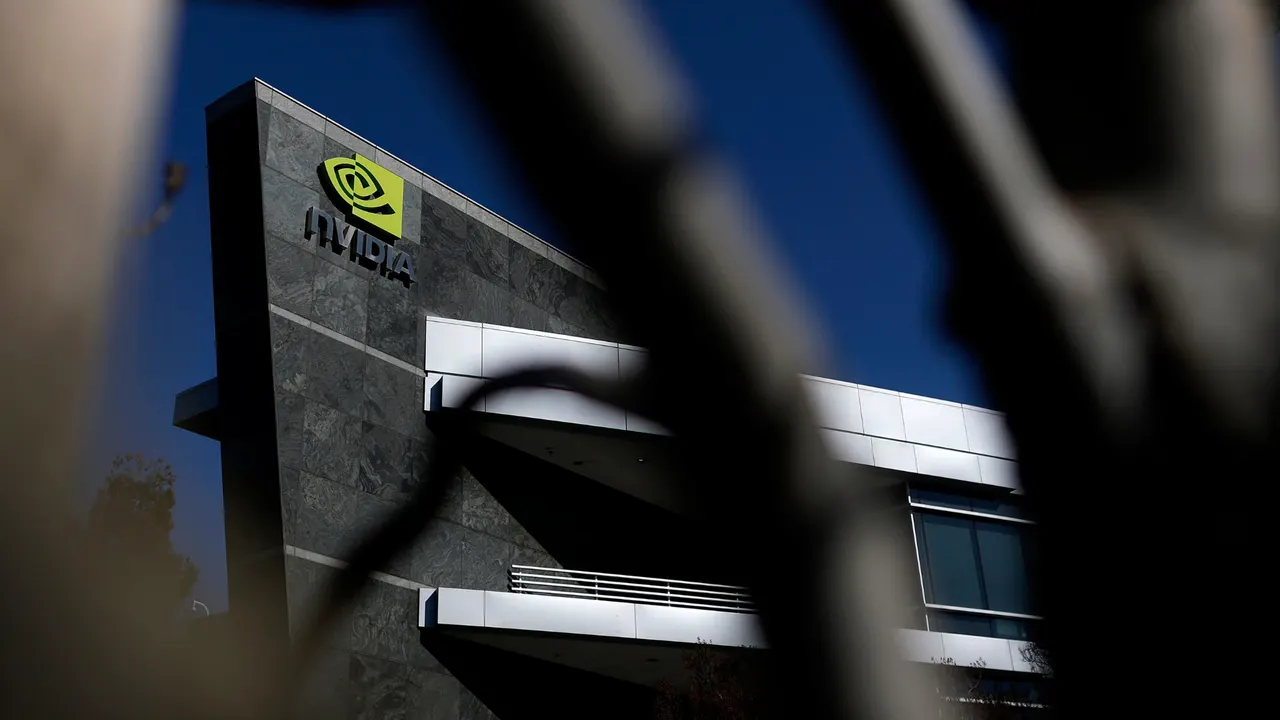
Internet and telecommunications provider Brightspeed is reportedly in talks with Nvidia to convert several of its buildings into tiny data centers. According to The Information, Nvidia pitched the idea to Apollo Global Management executives, the parent company of Brightspeed, who then asked it to submit written plans to the internet provider. Nvidia complied and has now requested additional information, data, and site visits to some of Brightspeed’s existing infrastructure.
The telecommunications company has around 130 buildings located around the country, many of which are already built to handle data and voice traffic and have the required power infrastructure to run Nvidia servers. Sources say that the AI tech giant estimates that these sites could collectively deliver around 1 gigawatt of compute capacity, which could accommodate more than 2,200 Supermicro Vera Rubin NVL72 racks containing 72 Rubin GPUs and 36 Vera CPUs each. Although these sites already can power these GPUs, it’s still not a plug-and-play solution, as Nvidia would still need to install cooling systems and other supporting architecture. These would still require permits and approval from the local government, but they would likely face less red tape and opposition compared to building a data center from the ground up.
Apollo Global Management has already made significant bets in AI hardware, with the asset management company involved in a $40 billion deal with SpaceX that would give it around 360,000 Vera Rubin GPUs across 5,000 NVL72 racks. While it’s currently unclear who will own the AI chips installed in Brightspeed facilities, the proposal could potentially help Apollo find a place for the Nvidia chips it ordered to get them up and running as soon as possible. This is a much better solution compared to waiting for years to get a data center approved, all while facing resistance from the community even after getting the go-ahead from the local government.
Having multiple small data centers like this is also a setup that OpenAI and Anthropic have been considering, especially as larger facilities are facing delays and backlash from the communities that they’re in. While having a large, homogeneous cluster built in one location is preferable for training, Nvidia representatives have described these smaller sites working together as an “inference network” to help run existing AI models. This is especially important as AI agents, which use five to ten times more tokens than humans, become more popular.
The move to use existing facilities instead of building new ones from scratch has received renewed attention, especially after Americans overwhelmingly voted against data centers during the midterm elections. While the more than 300 data center bans enacted across the U.S. have only delayed three existing projects, it’s feared that the bans and moratoriums would make it that much harder to start new data center developments and make it difficult for AI companies to secure the compute capacity needed to power their AI models in the future.
Follow Tom's Hardware on Google News, or add us as a preferred source, to get our latest news, analysis, & reviews in your feeds.
Get Tom's Hardware's best news and in-depth reviews, straight to your inbox.
Jowi Morales is a tech enthusiast with years of experience working in the industry. He’s been writing with several tech publications since 2021, where he’s been interested in tech hardware and consumer electronics.