
New Zelda and GTA represent a games industry that no longer exists
This is The Stepback , a weekly newsletter breaking down one essential story from the tech world. For more on the biggest game releases of the year, follow Andrew Webster . The Stepback arrives in our subscribers' inboxes on Sunday at 8AM ET. Opt in for The Stepback here . How it started The two biggest games of 2026 are set to launch just a few weeks apart in November. On the one side you have the behemoth that is…
This is The Stepback, a weekly newsletter breaking down one essential story from the tech world. For more on the biggest game releases of the year, follow Andrew Webster. The Stepback arrives in our subscribers’ inboxes on Sunday at 8AM ET. Opt in for The Stepbackhere.
New Zelda and GTA represent a games industry that no longer exists
The two biggest games of the year launch in November, offering some reprieve from a terrible year.
New Zelda and GTA represent a games industry that no longer exists
The two biggest games of the year launch in November, offering some reprieve from a terrible year.
How it started
The two biggest games of 2026 are set to launch just a few weeks apart in November.
On the one side you have the behemoth that is Grand Theft Auto VI, an experience 13 years in the making, and the sequel to one of the best-selling games in history. Its predecessor, GTA V, has sold a staggering 230 million copies since it launched in 2013, and was re-released across three generations of consoles. Developer Rockstar is a pioneer in the realm of open-world games, dating back to GTA III, and the scale and ambitions of those worlds have steadily grown since then. With GTA V and later Red Dead Redemption 2, the studio’s ideas reached a new level of realism. And the sixth GTA looks poised to eclipse them both, which has created an unprecedented level of demand.
Analyst firm Circana estimates that 29 percent of gamers in the US intend to buy the game, with demand so large it could boost flagging console sales. “Many consumers who have yet to upgrade to a current-generation console may choose to purchase a PlayStation 5 or Xbox Series specifically to play the title,” analyst Mat Piscatella says in a statement. GTA VI’s reach is so vast that almost every other major game launched early to avoid it.
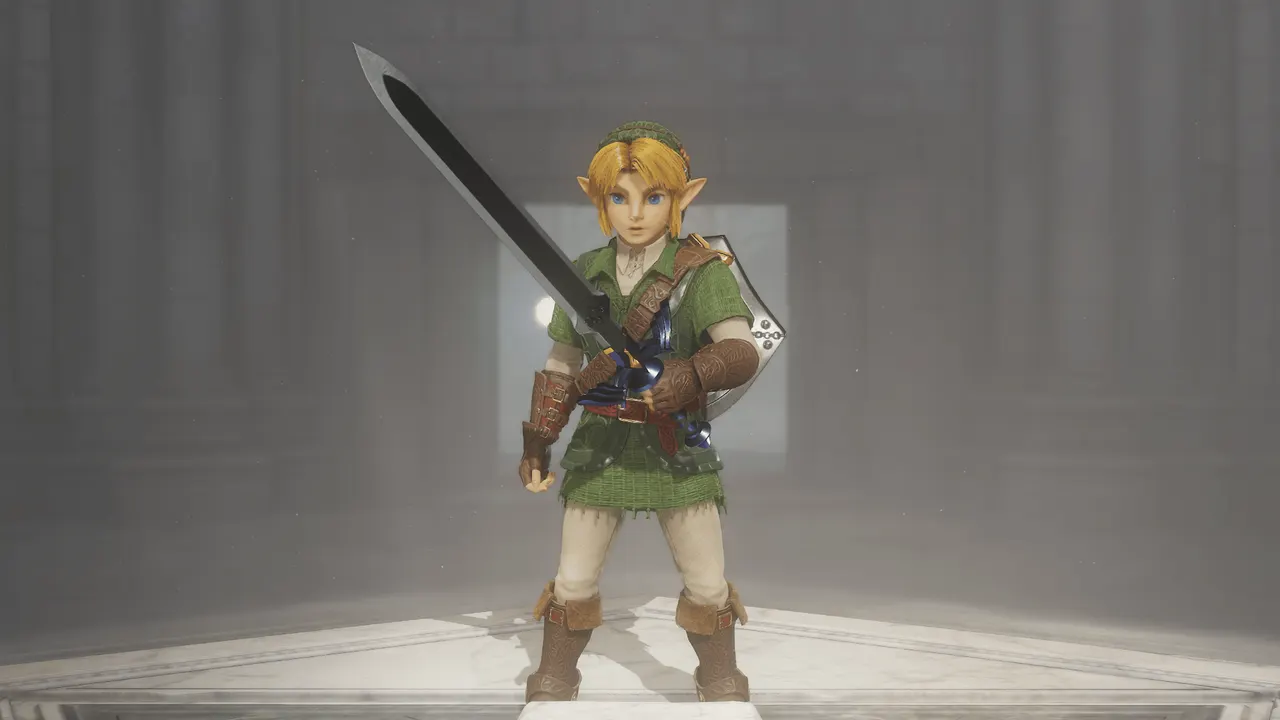
The one exception is Nintendo. The company’s tentpole release for the holidays, and its next major exclusive for the Switch 2, is a lavish remake of The Legend of Zelda: Ocarina of Time.
The release is notable for a few reasons. For one thing, it’s an attempt from Nintendo to modernize one of the most influential and beloved games in its long history. The original Ocarina of Time was the world’s first introduction to a 3D iteration of Hyrule, which, in turn, made it an early glimpse at what was possible in three-dimensional spaces, laying a blueprint for countless games that came afterward. Nintendo has since expanded on that, turning Switch-era adventures Breath of the Wild and Tears of the Kingdom into wide-open adventures designed for player creativity. They went on to become some of the best-selling games for Nintendo’s most successful console.
Ocarina of Time’s launch also comes just ahead of a live-action Zelda movie in 2027, which could catapult the franchise to a new level of prominence. That’s why Nintendo is seemingly the only company unafraid of competing with GTA.
These aren’t just two blockbuster games – they’re two series with the pull to make this a real cultural moment, akin to “Barbenheimer” but for video games. They’re the kind of launches that make it onto Saturday Night Live and have NBA players worried.
It’s just too bad about the rest of the industry.
How it’s going
These major November releases are something of a mirage, two outliers that stand out amid the wreckage that is the rest of the video game industry. While there have been plenty of major releases and great games this year, the main theme of 2026 has been just how dire things have become. Layoffs, studio closures, unpopular business models, the ever-looming threat of AI, and massive increases in hardware costs have combined to create an ominous cloud over the medium.
Here is just a snapshot of what the year has been like: Xbox is in the middle of a “reset” that involves laying off thousands of developers, shutting down some studios, and gutting others; Fortnite developer Epic cut more than 1,000 jobs due to a sharp downturn in the live-service games space, and it’s currently going all-in on vibe coding; Sony is also struggling, slashing jobs at Destiny developer Bungie, watching console sales plummet as costs skyrocket, and raising the ire of gamers by moving on from physical media; and meanwhile, major publishers like EA and Ubisoft are in their own dramatic states of upheaval.
And the bad news hasn’t really let up. Just last week, EA shut down beloved studio BioWare and canceled the next Mass Effect game, and this week Sony studio Sucker Punch cut staff despite the success of last year’s Ghost of Yōtei. Every day, it seems, brings some new unwelcome development.
What happens next
Clearly, things are changing for the video game industry; they have to change. What that future looks like, though, remains unclear. The next generation of game consoles is being threatened by exorbitant prices, and all the while the rise of AI-powered tools is sending ripples across the industry, threatening the established order between players and creators as games are ported to every platform imaginable. “These are unmistakably good outcomes for players, even when (and sometimes because) they challenge our existing business models,” Xbox CEO Asha Sharma said in a recent memo. But how that plays out remains to be seen.
It’s not all doom and gloom. There have been rare success stories, where studios like FromSoftware and Remedy have managed to carve out a sustainable existence in a turbulent field. But for the most part, the established norms that have been part of the blockbuster games industry for years are going away. Big games are too expensive to make, hardware is too expensive to buy (and the cost is only going up), and somewhere, something has to give.
It’s tempting to look at Zelda and GTA as answers to these problems. After all, if Nintendo and Rockstar are doing so well, there must be a solution out there. But they’re also two very specific cases that are essentially impossible to replicate. Nintendo maintains ownership over all aspects of its platform, from the hardware to the games, and it has taken a careful and largely risk-averse approach that has allowed it to weather the current storm and create a growing entertainment empire. Rockstar, meanwhile, is the rare example of being too big to fail. GTA V was so massive for so long — Circana says it was among the top 20 best-selling games in the US for 13 straight years — that it allowed the studio to build up both an unprecedented amount of anticipation and, it seems, a game big enough to match it.
In that way, Zelda and GTA are throwbacks to a time when major games were sure bets. Their duelling releases are fascinating both because these games are so impactful, but also because, with all of the impending upheaval, the industry might never see a moment like this again.
By the way
- The Ocarina of Time remake makes some smart modern tweaks to the formula, which you can learn about in our hands-on with the game.
- While the wait has been long for GTA VI, it seems there’s a good chance its inevitable sequel won’t spend so many years in development.
- There’s one other notable game that was unafraid to launch in November: Moomin: Midsummer Madness.
Read this
- Rockstar is very secretive, but you can get a sense of what went into GTA VI’s protracted development from these cover stories in Edge magazine and Businessweek.
- Ocarina of Time is an especially interesting game in 2026 because of how much Zelda has changed since it first debuted. For more on that, here’s our interview from 2023 with Tears of the Kingdom director Hidemaro Fujibayashi.