
Kalshi court losses pile up as judges refuse to block state gambling laws
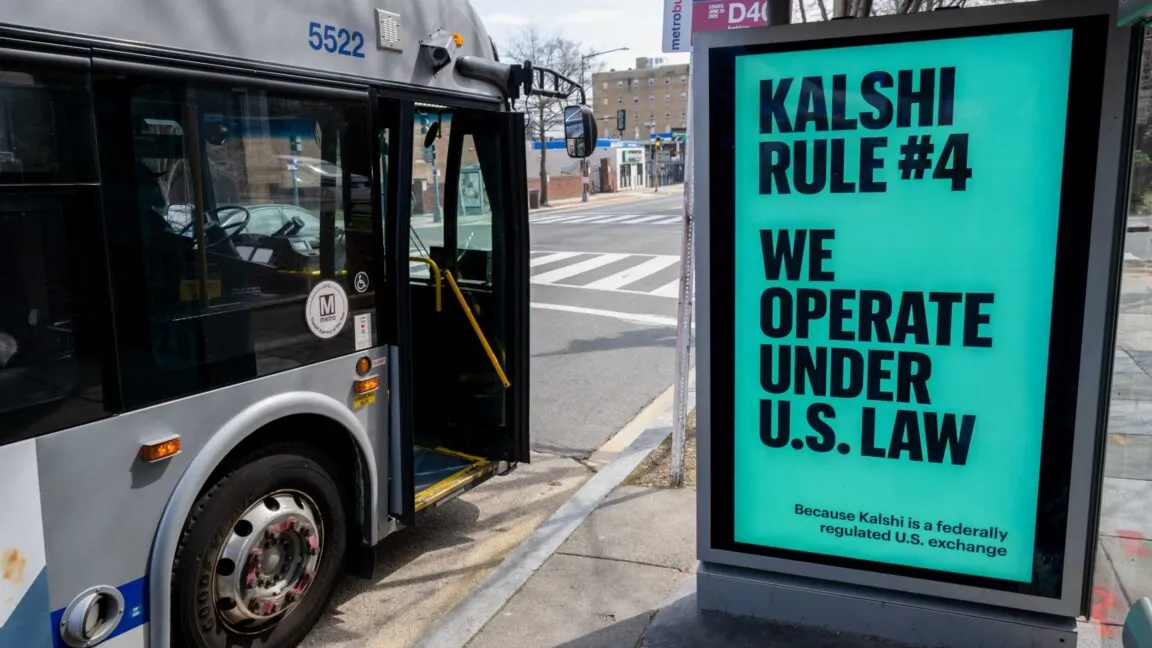
Kalshi is having a bad week in the federal court system. Two circuit appeals courts rejected the prediction market's latest attempts to block state gambling laws in Connecticut, New York, and Nevada. Kalshi is separately facing a new lawsuit filed by the Arkansas attorney general. In all cases involving Kalshi and state governments around the US, the main issue is whether state gambling laws apply to prediction…
Kalshi is having a bad week in the federal court system. Two circuit appeals courts rejected the prediction market’s latest attempts to block state gambling laws in Connecticut, New York, and Nevada. Kalshi is separately facing a new lawsuit filed by the Arkansas attorney general.
In all cases involving Kalshi and state governments around the US, the main issue is whether state gambling laws apply to prediction markets despite Kalshi’s claim that its platform offers “swaps” that can only be regulated by the US Commodity Futures Exchange (CFTC). The Trump administration is on Kalshi’s side, with Donald Trump Jr. serving as an advisor to Kalshi in exchange for a generous equity deal.
“Kalshi insists that its products are not gambling,” but “Arkansas law is concerned with substance, not semantics,” Arkansas Attorney General Tim Griffin said yesterday when announcing his lawsuit against Kalshi. Kalshi’s prediction market lets customers “wager money on the outcome of just about anything” despite the fact that “gambling on an unregulated platform is squarely prohibited by Arkansas law,” he said.
Griffin’s lawsuit was filed in an Arkansas state court. Kalshi violated state law by offering gambling to people as young as 18 and by failing to pay taxes or comply with other restrictions, Griffin said. Arkansas law permits gambling within certain limits, such as an age minimum of 21 years old for electronic wagering accounts.
“Instead of obtaining the licenses, submitting to the oversight, complying with the restrictions, and paying the taxes required of lawful gambling operators in Arkansas, Kalshi opened its platforms to Arkansas consumers, including individuals as young as 18 years old, encouraged them to wager real money on sporting and entertainment events, and profited from those wagers,” Griffin said.