
James Gunn’s Exit from DC Studios Was Due to Tensions with Skydance's Executives, Report Says
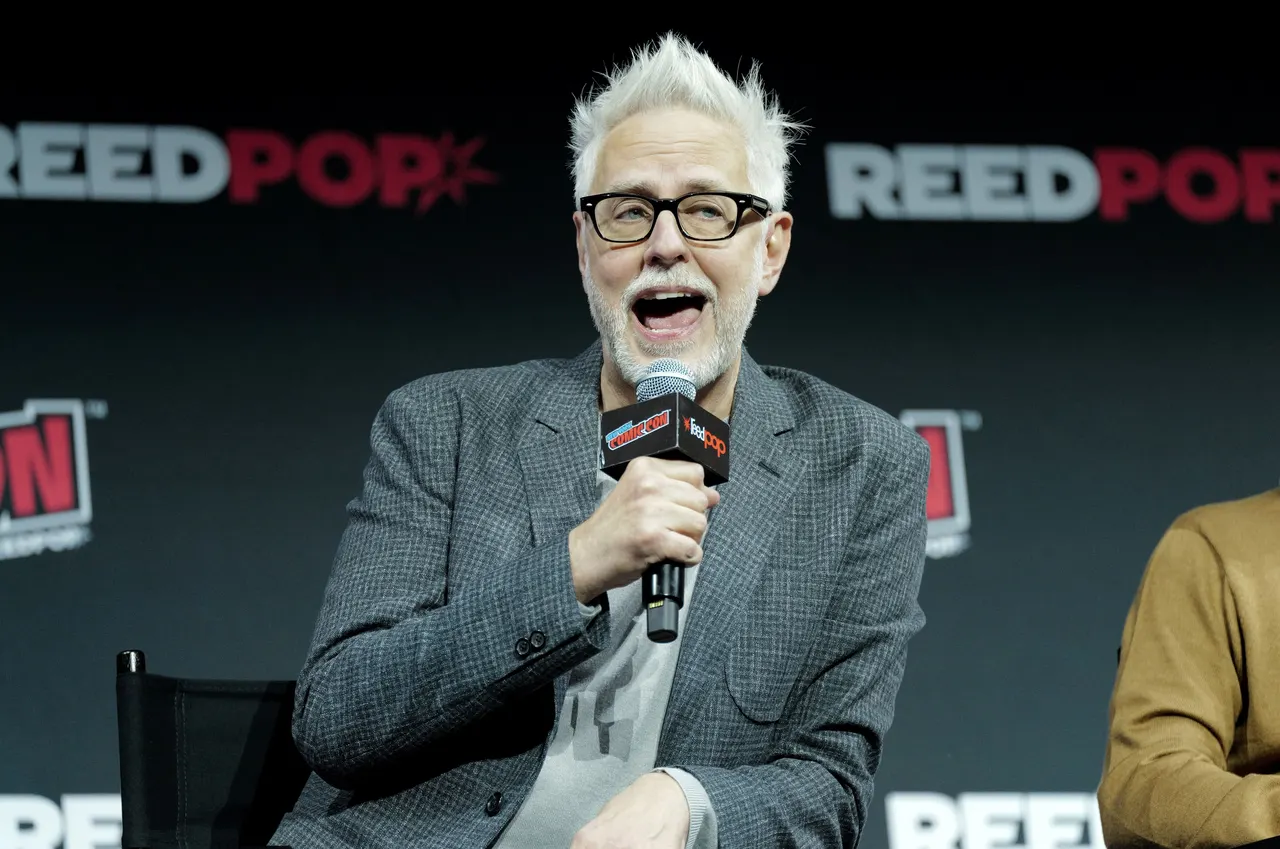
It’s been just over four years since James Gunn and Peter Safran took the reins at DC Studios as co-CEOs. For fans impressed by Gunn’s Marvel films, including Guardians of the Galaxy, the prospect of what Gunn and Safran could bring to DC comics adaptations across film, animation, and television was especially exciting.
It’s been just over four years since James Gunn and Peter Safran took the reins at DC Studios as co-CEOs. For fans impressed by Gunn’s Marvel films, including Guardians of the Galaxy, the prospect of what Gunn and Safran could bring to DC comics adaptations across film, animation, and television was especially exciting.
However, Gunn and Safran’s full vision may never reach fruition, and now, thanks to The Hollywood Reporter, we have a plausible explanation.
Why did James Gunn and Peter Safran step down from DC Studios?
Soon after Skydance acquired Warner Bros. Discovery, major changes swept through Warner Bros., including a restructuring and layoffs. Warner Bros. heads Pam Abdy and Mike De Luca were also let go. Gunn and Safran were believed to have escaped such a fate. That was the case, at least until Skydance co-CEOs David Ellison and Ynon Kreiz arrived at Gunn and Safran’s offices on the Warner Bros. lot on Nov. 6, marking a turning point for DC Studios.
According to The Hollywood Reporter’s sources, Gunn and Safran were told that, despite being previously reassured their roles would be safe under the new merger, Skydance’s co-CEOs had changed their minds. Though Gunn and Safran are no longer CEOs of DC Studios, Warner Bros. Discovery did announce that the two will “ensure a smooth, collaborative transition” of the studio to new leadership: Jeremy Latcham, previously a key member of Marvel Studios’ executive team.
The Hollywood Reporter's insider revealed that Latcham’s move into Gunn and Safran’s role had been in the works since early fall, when Skydance Motion Picture Group co-chairs Josh Greenstein and Dana Goldberg approached him. The situation is particularly damning because other sources point to “several points of tension” between Greenstein and Goldberg and Gunn and Safran. Before the merger, Gunn and Safran reported directly to Warner Bros. CEO David Zaslav and had tight control over DC’s product rollout, spanning movies, TV shows, and animation.
Reportedly, this didn’t work particularly well for Greenstein and Goldberg, who were trying to consolidate all motion pictures under their leadership. Furthermore, Gunn and Safran were reportedly “too slow” to share plans, details, or even footage with Skydance’s leadership.
The Hollywood Reporter also mentions that Skydance's new leadership wasn't partiuclarly impressed with the results achieved by DC Studios under Gunn and Safran's guidance. Their most successful movie, Superman, which grossed $618 million, "did not net out," according to The Hollywood Reporter, and failed to achieve the kind of pop culture impact the executives expected. While Clayface grossed over $100 million on a relatively small budget, Supergirl was "a disaster in the eyes of the new regime," The Hollywood Reporter's sources say.
The main reason Gunn and Safran’s vision for DC Studios failed will be debated for years. For now, though, the answer seems to be studio politics and business results. It’s a sad end to their leadership, but one that, if box-office numbers are any indication, we ultimately saw coming.
Comments
Comments appear after moderation. Persian and English conversations are separate.