
How iOS can warn you when one of your passwords shows up in a data leak
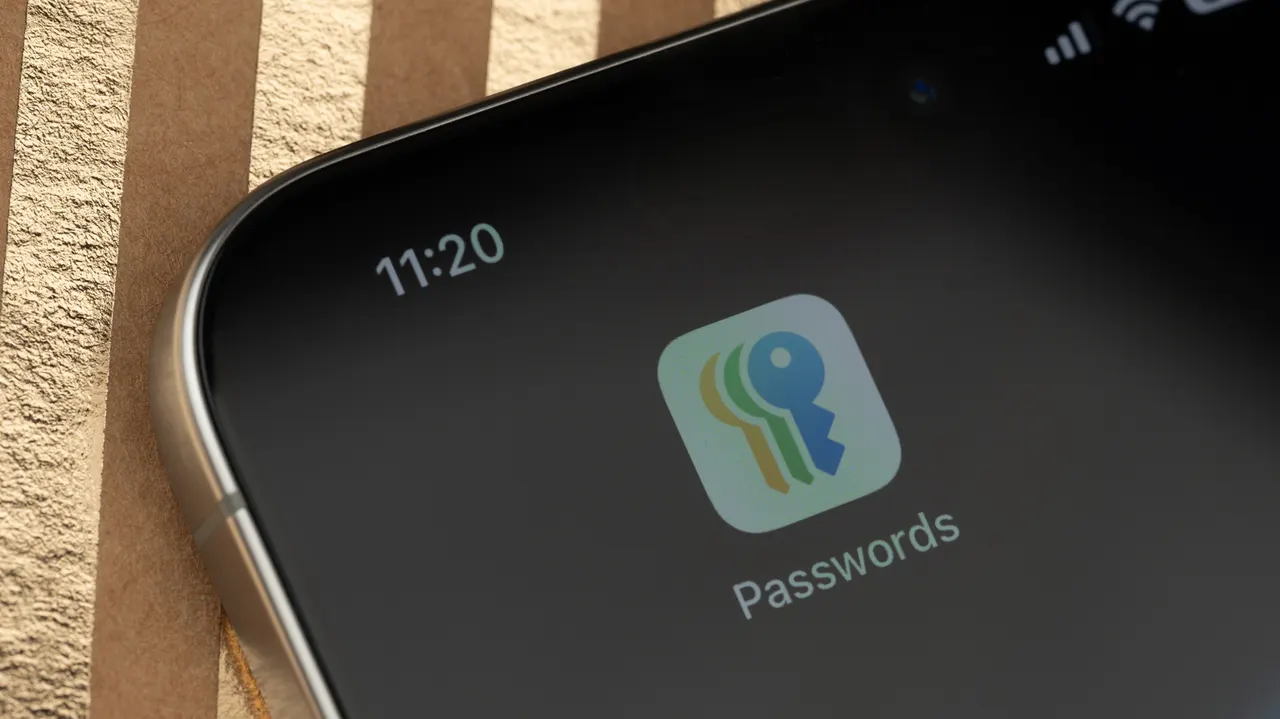
You'll be warned if your credentials stored in Apple Passwords are weak or compromised so you can take appropriate action.
How iOS can warn you when one of your passwords shows up in a data leak
A password leak warning doesn't necessarily mean your account was hacked. Here's how Apple's alerts work and what to do next.
While many iPhone notifications can be easily dismissed, a warning that a saved password may have appeared in a data leak is harder to ignore. It makes you wonder if someone has accessed your account or if Apple's tool is flagging a password that could be misused. Either way, you can quickly find out which logins require attention rather than spending the day guessing.
Apple's password warnings are real, but they don't necessarily mean your iPhone was hacked or that someone got into your accounts. iOS compares passwords stored in the Passwords app with leaked password data, even if the website listed hasn't reported a breach. The warning isn't the only opportunity to take action: flagged accounts are stored in the Passwords app for your review. Here's how Apple checks for leaked passwords and what to do about the ones it flags.
How iOS knows your password appeared in a leak
The free Passwords app provides a safe repository for logins and passkeys, which can be synced via iCloud Keychain with end-to-end encryption. If you're already invested in Apple's ecosystem, it's a great option for creating strong passwords and autofilling them on websites and apps. While Apple doesn't have a native iCloud Passwords app for Android, Windows users can access it via Chrome or Edge after setting up iCloud for Windows and the browser extension.
To know if any passwords have been compromised, your iPhone checks your saved credentials against a local list of commonly leaked passwords. For passwords that aren't on that list, your iPhone uses privacy-preserving cryptographic checks with Apple's servers, sending information derived from the password rather than the password itself. Apple says it doesn't keep that information either.
Importantly, Apple's warning doesn't specify where a password was leaked. If you've used the same password on a forum and your bank, a forum hack could compromise the more important account as well. Apple also flags weak or reused passwords, which aren't necessarily associated with known leaks.
Google Password Manager offers similar checks through Chrome on iPhone, though it of course checks passwords saved with Google. Other password managers like 1Password offer similar functionality.
How to check for and change leaked passwords on iPhone
Apple introduced a new app for password management in iOS 18, eliminating the need to navigate through Settings to access security alerts. Open Passwords and authenticate with Face ID, Touch ID or your passcode, then follow these steps:
- Tap Security to view accounts that have flagged passwords. If you don't see the category, return to the app's main screen.
- Choose an impacted account and see if its password is marked as leaked, reused or weak.
- Tap Change Password to go to the service's website or app, where you can change the exposed credential to a unique one.
Keep in mind that simply changing the password stored in Apple's app (or any password manager) won't automatically change your account password. You need to update the password on the website first, then update the saved credentials to match. Most password managers should catch when you make this change and offer to update their stored information.
If you've reused a password on multiple accounts, change it everywhere, especially for email and banking accounts. Also consider passkeys, which can replace the traditional password on websites that support them, and enable two-factor authentication as another important layer of security.
In case you've been using Passwords for a while and have never seen these alerts, check if monitoring is turned on by going to Settings > Apps > Passwords > Detect Compromised Passwords. And if you receive a suspicious email, text or browser pop-up message that says your password has been leaked, ignore the links and look at the Passwords app. Hiding a security recommendation doesn't fix the password behind it, but falling for a fake security alert causes its own problems.