
Griffin Dunne on Renewed Interest in ‘Practical Magic’ and ‘An American Werewolf in London’: ‘I Seem to Be the King of Lapsed Love’
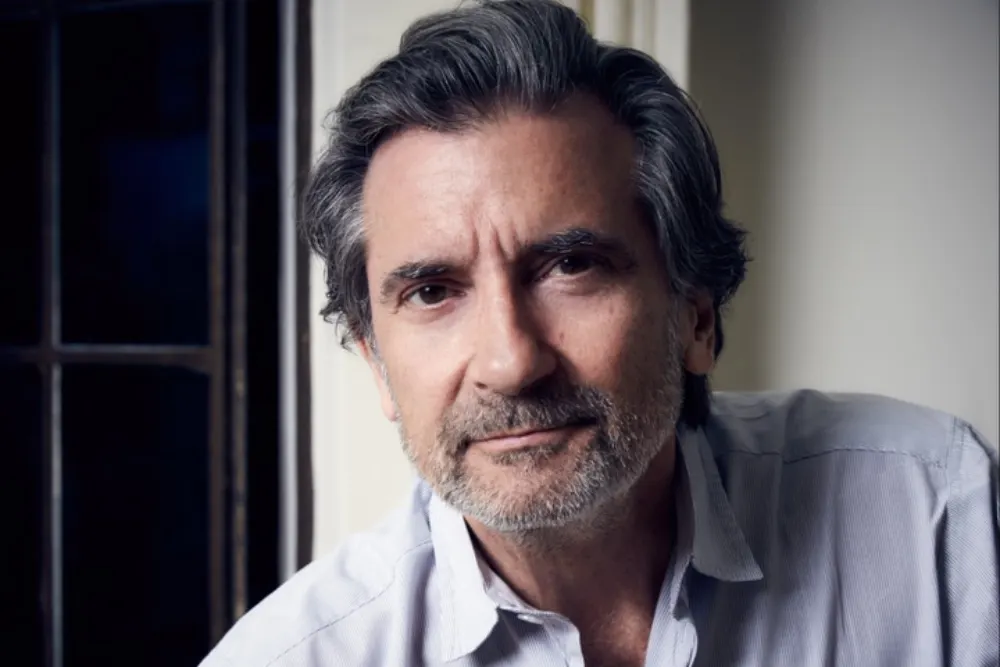
Acclaimed actor and “Practical Magic” director Griffin Dunne is glad to see its renaissance. “I don’t know when it could have started. Maybe 10 years ago, the conversation about ‘Practical Magic’ started to pick up more steam, particularly around Halloween. I’d see memes with ‘midnight margaritas’ and when my friends’ daughters found out I directed
Acclaimed actor and “Practical Magic” director Griffin Dunne is glad to see its renaissance.
“I don’t know when it could have started. Maybe 10 years ago, the conversation about ‘Practical Magic’ started to pick up more steam, particularly around Halloween. I’d see memes with ‘midnight margaritas’ and when my friends’ daughters found out I directed that movie, they’d go insane,” he recalls.
This year, the Sandra Bullock and Nicole Kidman starrer even scored a sequel.
“It’s the second movie I’ve been involved with that wasn’t as popular at the time as it became years later. It was the same deal with ‘An American Werewolf in London.’ It’s lovely to see people appreciate it now, but it would have been sweeter to have it happen then too. I seem to be the king of lapsed love!”
Dunne would like people to rediscover “Addicted to Love” and “Lisa Picard Is Famous” next.
“I’m amazed that only a handful of people have ever heard of a movie with Meg Ryan that was incredibly well reviewed at the time. I remember calling Warner Bros. and they didn’t even have a copy! It’s only going to become more obscure now that Warner Bros. is going to be owned by Paramount. Who knows what’s going to happen to all these movies?”
He adds: “‘Lisa’ came out during 9/11, so of course people didn’t want to see a comedy about out-of-work actors. But it’s the funniest movie I’ve ever made. I do hope both of them will be looked at again.”
Dunne, also known for his role in Martin Scorsese’s “After Hours,” is heading to Poland’s TAURON American Film Festival to receive its biggest honor: the Indie Star Award.
It won’t be his first time in the country. In 1980, he travelled there to make “The Wall,” only to find himself caught up in the historic Solidarity movement. Three weeks turned into three months.
“When martial law was declared, we were stuck there. I met Rosanna Arquette and Dianne Wiest, whom I cast in ‘Practical Magic,’ and I’ve been life-long friends with Tom Conti ever since. I could tell you a million stories about it. So many of our crew were arrested that people from the military had to stand in for them, and there were spies everywhere. It was insane, but it led to great friendships!”
Dunne is honest: the indie scene has changed dramatically over the years. However, as he puts it, “when times are good, you never know you’re in the middle of them.”
“There was indeed a community of independent filmmakers, even though we didn’t particularly call ourselves that. It wasn’t that difficult to find investors willing to bankroll original stories and ideas. Now, getting a distributor is very difficult, and even that doesn’t guarantee a significant theater release.”
What worries him is that soon, there won’t be any space for controversy.
“People are fearful of all these mergers because, if one company essentially decides which stories are told, they won’t include those who want to make exciting movies that are true to the times we live in,” he says.
“I fear that people won’t have the guts to tell a story that’s going to offend the red states in America. This guy in the office has drummed up a great deal of hostility towards Hollywood and ‘the elites.’ It’s as if actors and directors, and writers, should keep their opinions to themselves and just be entertaining.”
Still, there are things and films that give him a “blush of optimism.”
“You have a movie like ‘You Can See Everything’, a documentary of all things, and people are lining up around the block to see it,” he says.
“It’s crazy. It’s phenomenal! That trailer had everyone talking. I thought it was a horror movie! I don’t even like horror movies, but I said: ‘I’ve got to see that’.”
“I live in the East Village and I pass people lining up around the block to try a bagel they heard about on TikTok. Hopefully, going to the movies will be an extension of that. Cinema needs a younger audience.”
Great ideas are always met with discouragement, he notes.
“What hasn’t changed since the advent of sound is being told by an agent or studio executive: ‘Well, this is gonna be a tough one.’ That should tell you you’re probably on the right track. You’re thinking of something original and a story that hasn’t been told before, and those are the ones audiences crave.”
“Every time you make a movie, you’re being told this is tough to sell. You just have to put blinders on.”
In recent years, Dunne has been opening up about his family. Be it in his book “The Friday Afternoon Club: A Family Memoir,” also detailing the murder of his sister Dominique Dunne, or a documentary about his aunt: “Joan Didion: The Center Will Not Hold.”
“Suddenly, I just felt ready to do it,” he says.
“With the doc, I was incredibly pleased and terribly proud that it introduced her to an entirely new audience of younger readers. It kept her legacy alive.”
The themes of family have always interested him, he says, also recalling this year’s essay about his lifelong interest in obituaries.
“I’m so fascinated by how they condense someone’s life and reveal them to be the interesting person they were. I knew the importance of The New York Times obituary. When my dad died on the same day as Senator Edward Kennedy, I wanted it to be on the front page. In my grief and delusion, I delayed the announcement of his death for as long as I could. I lied – for a day and a half – that he was still alive when he was dead right there in the living room.”
“There’re still stories left in me,” he laughs.