AI News (Page 18)
Latest models, products, research, and AI industry developments; updated every half hour.

AnyLanguageModel 1.0: One Year of Local Models on Apple Platforms
MPS in PyTorch 2.15
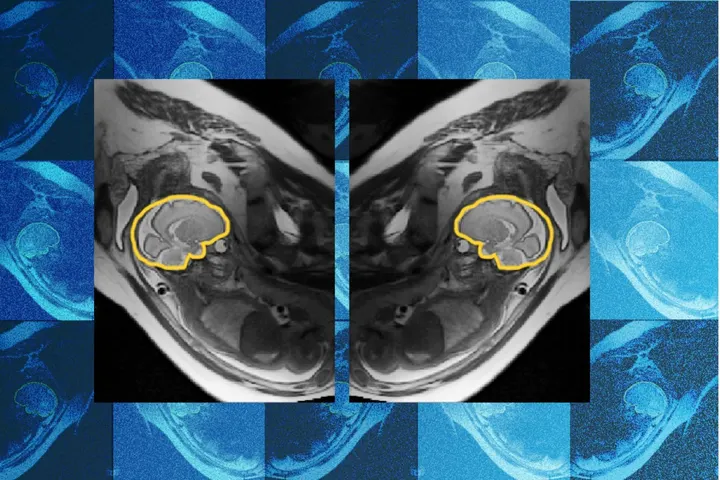
Why teaching AI about symmetry could make prenatal diagnosis more reliable
A model developed by researchers at MIT and Boston Children's Hospital adjusts scans on the fly to track fetal movement, potentially sparing families repeat hospital visits.
TorchNeuron: running HF models on AWS Trainium is easier than ever
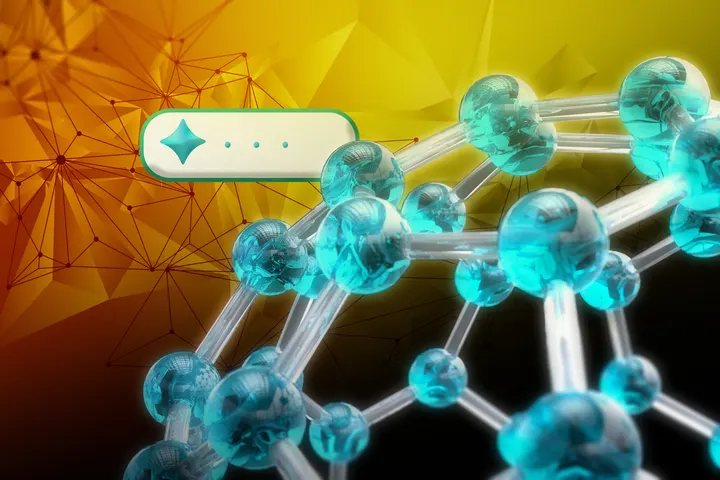
Giving AI a “crystal clear” view of the materials world
New research can help AI models understand crystalline materials in 3D and reason about their properties.
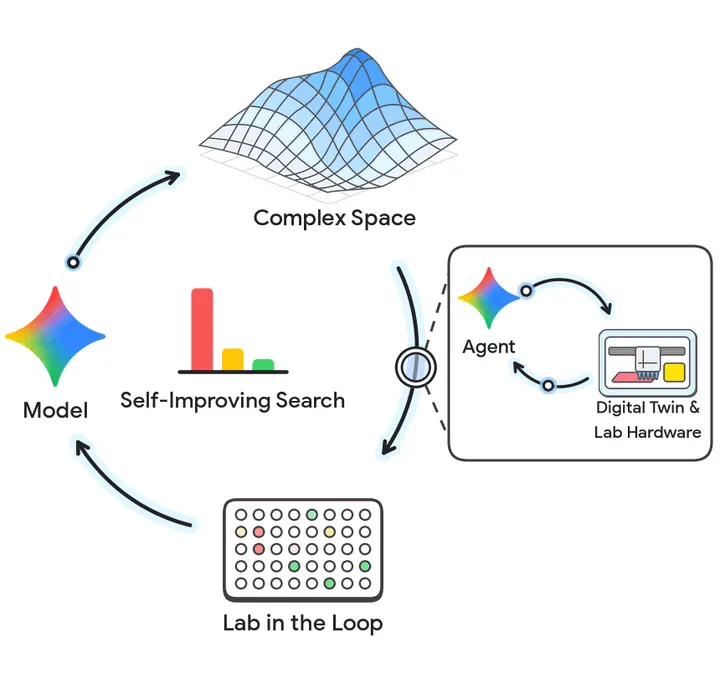
Grounding AI agents in biological reality: Building blocks for autonomous wet labs
General Science
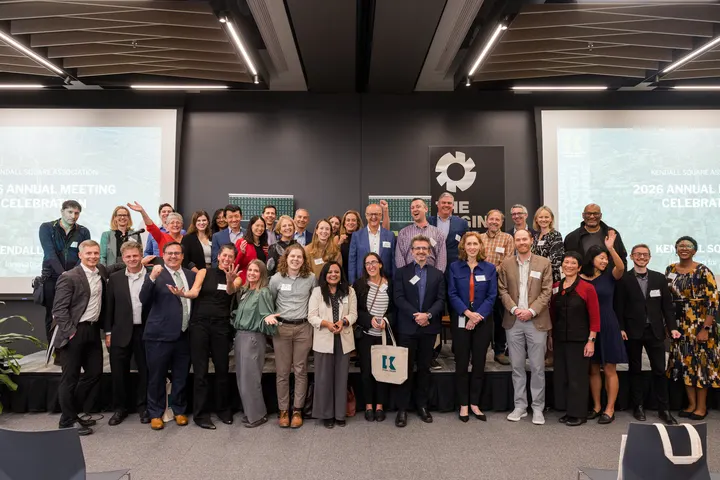
Fostering community amid Kendall Square’s innovation
Kendall Square in Cambridge, Massachusetts, is often cited as the most innovative square mile in the world. But when the Kendall Square Association gathered local stakeholders for its 18th Annual Meeting Thursday, the conversation focused on innovation primarily in the context of community. The event, which took place at the nonprofit startup incubator The Engine, attracted people from across Cambridge, including…

Welcome Beam: a 501B open model you can own, customize, and scale

State of Supply Chain Sustainability Report finds corporate commitment at record high, but governance lags behind
When corporate leaders discuss climate strategy, the message that still dominates is that, despite competing priorities and external pressures, sustainability matters. According to the 2026 State of Supply Chain Sustainability Report from the MIT Sustainable Supply Chain Lab , which surveyed 1,810 supply chain professionals across 91 countries, 83 percent rate sustainability as important or very important to…
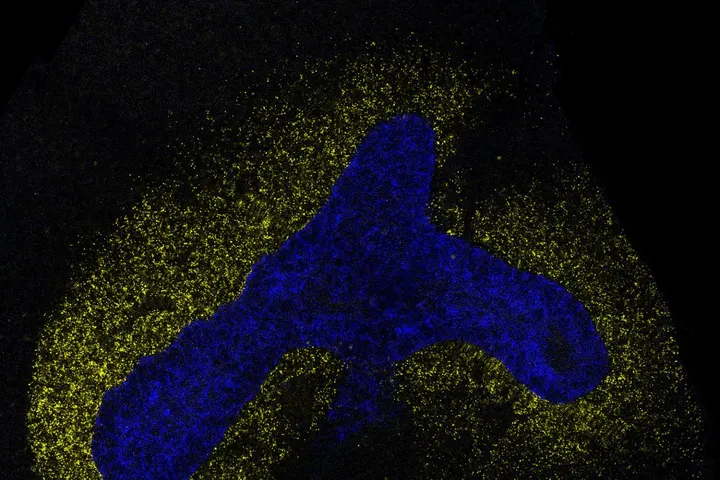
AI model decodes the language cells use to communicate
As an embryo develops from a small cluster of stem cells, those once “blank slate” cells begin to take on more specialized roles like brain, liver, or muscle cells, and organize themselves into three-dimensional structures such as tissues and organs. The fate of each cell — what type of specialized cell it will become — depends on which genes are turned on or off in the cell. These patterns of gene activity shape…
Accelerating the search for antimicrobial peptides with Google Antigravity
Accelerating the search for novel antimicrobial peptides using Google Antigravity for Science.

Apertus 1.5 Release Notes
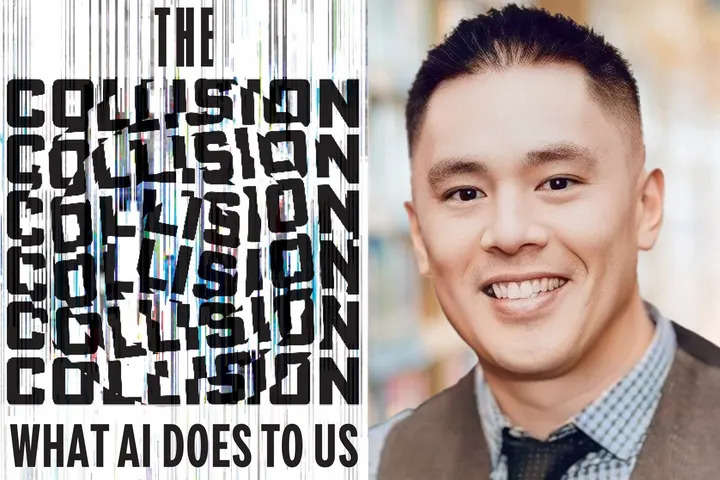
Q&A: The “collision” between AI, your brain, and society
As artificial intelligence use becomes more widespread, scholars are working to understand its effects on the people who use it. MIT Professor Eric So offers one of the most complete syntheses yet, in his new book, “The Collision: What AI Does to Us,” published this month by W.W. Norton. Recognizing that AI offers opportunities to complete work faster, and in some cases has been turned into useful domain-specific…
Welcome Muse Spark Open: open-weight frontier multimodal mixture-of-experts model from Meta
Welcome FLUX.3 Image Klein in Diffusers
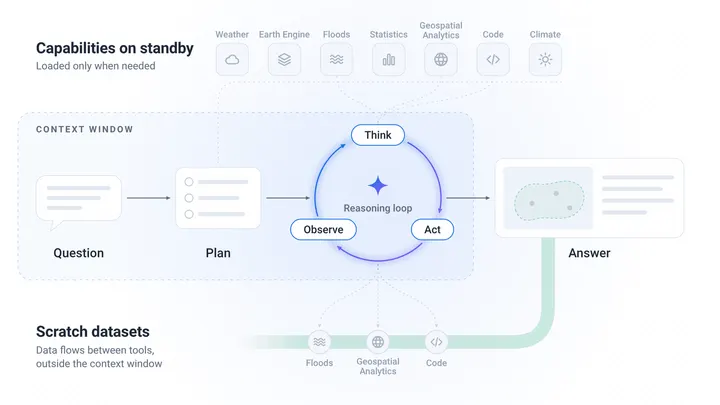
Putting Earth AI to work: Geospatial agents for our planet's biggest challenges
Earth AI

Analyzing technical documents with Deep Review
General Science

Research@ 2026: 10 ways we're amplifying human ingenuity
General Science

Researchers improve weather forecasts looking two to six weeks out
In 2021, Texas suffered the worst energy infrastructure failure in state history, following three severe winter storms in February. At least 246 people were killed as a result of the disruptions, which led to food, water, heat and electricity shortages. If energy officials had had more time to prepare for the storms, for example by bringing in more trucks of natural gas to disrupted areas, damage from the event…

Google DeepMind and Singapore Government collaborate to build fine-tuned AI model for scam detection
Learn how Google DeepMind and GovTech Singapore uses lightweight on-device Gemma models to intercept conversational scams in private chats with zero cloud data egress.
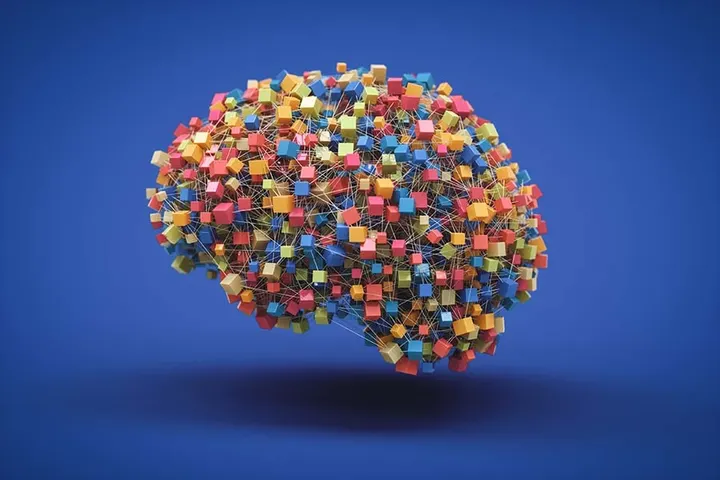
How artificial neural networks build their own learning machinery
As artificial intelligence becomes more and more powerful, its ability to handle human-like tasks is undeniable. Artificial neural networks can learn to recognize images, use language, or write computer code. Like the brain’s circuits, they reorganize themselves as they learn, adjusting the strengths of their connections to improve their performance. The question for many neuroscientists is: What can these machine…
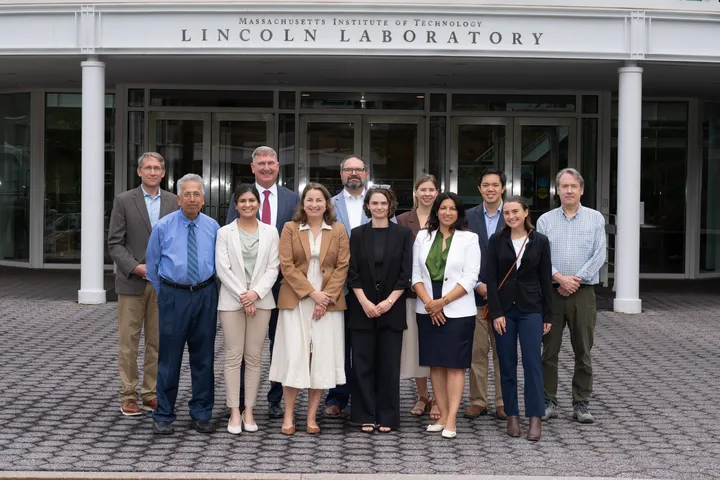
MIT Lincoln Laboratory hosts National Security Commission on Emerging Biotechnology
MIT Lincoln Laboratory hosted the National Security Commission on Emerging Biotechnology (NSCEB) on Sept. 3, for a stop on its national roadshow. The event convened representatives of state organizations, defense centers, universities, technology companies, and business executives to discuss how Massachusetts' biotechnology ecosystem can strengthen national biodefense capabilities. "We have a lot to leverage in this…

Developing Gemini 4 Argon responsibly and safely